
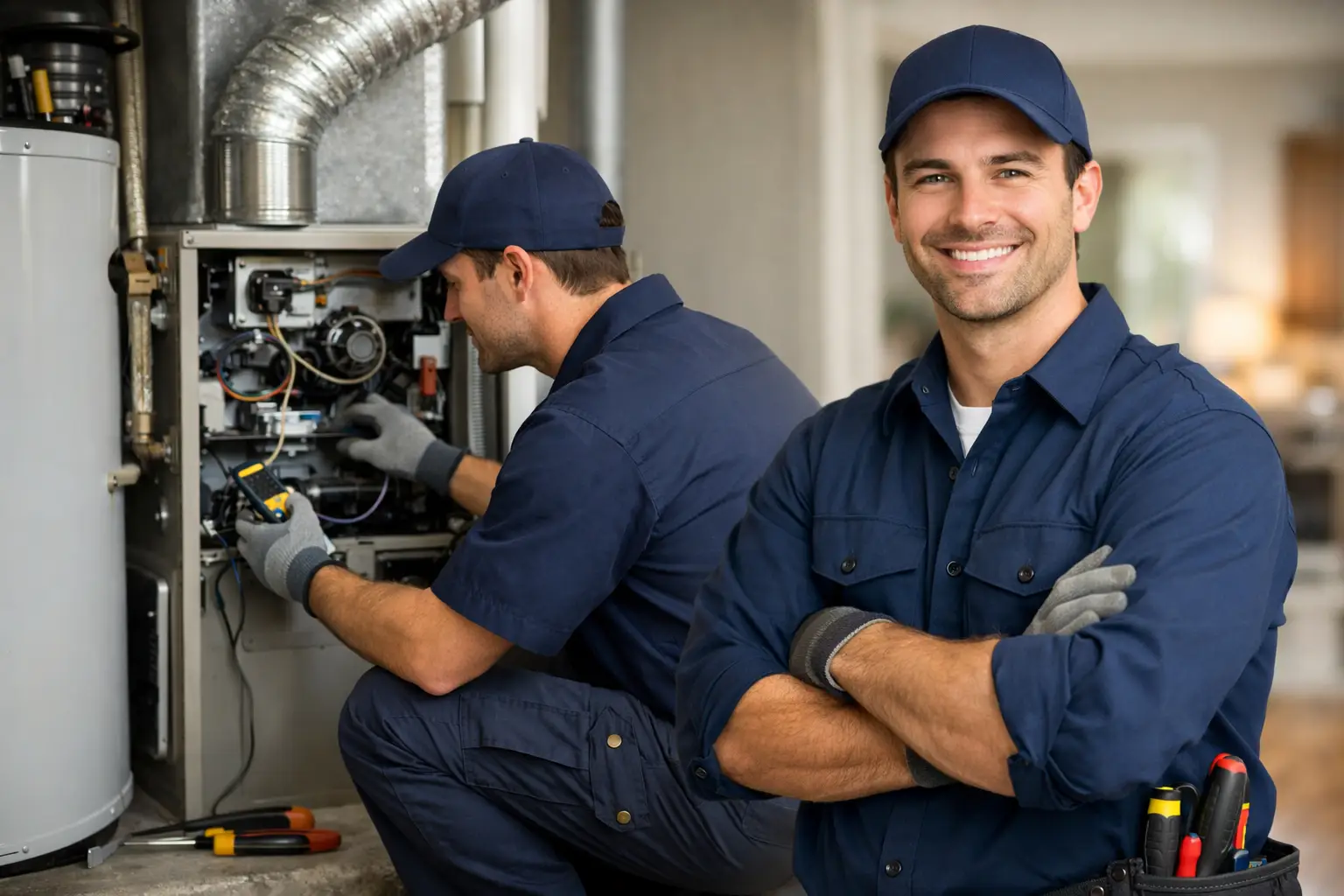
A furnace rarely fails at a convenient time. It usually quits during the first cold snap, when your family needs dependable heat most. Knowing how to maintain home furnace equipment can help you catch small problems early, protect your budget, and keep your home comfortable through cooler weather.
Most furnace maintenance is straightforward, but it is not all a do-it-yourself job. Homeowners can handle basic airflow and housekeeping tasks. Annual professional service is still the best way to inspect the components that affect safety, efficiency, and reliable operation.
Start With the Furnace Filter
Your air filter is one of the simplest and most valuable parts of furnace care. A clogged filter makes the system work harder to pull air through the return duct. That can reduce airflow, raise energy use, create uneven temperatures, and put extra strain on the blower motor.
Check the filter monthly during the heating season, especially if you have pets, allergies, a dusty home, or a busy household. Many standard filters need replacement every one to three months, but the right schedule depends on the filter type and your home. Follow the size and airflow direction marked on the filter frame.
A higher-rated filter can capture more particles, but it is not always the right choice for every system. Some very dense filters restrict airflow if the furnace was not designed for them. If you are unsure which filter is best, ask an HVAC technician during your maintenance visit.
Keep Air Moving Freely
A furnace cannot heat your home evenly if conditioned air has nowhere to go. Walk through the house and make sure supply registers and return grilles are open, clean, and not blocked by furniture, rugs, boxes, or curtains. Closing several vents may seem like a way to save money in unused rooms, but it can disrupt airflow and add pressure to the duct system.
Pay attention to rooms that stay colder than the rest of the house. The issue could be as simple as a blocked vent or dirty filter, but it may also point to duct leaks, insulation gaps, thermostat placement, or an aging system. Repeated uneven heating deserves a professional look rather than a guess.
Keep the area around the furnace clear, too. Do not store paint, gasoline, cleaning chemicals, cardboard, or laundry against or near the unit. Furnaces need clear space for safe service access and proper airflow.
Check the Thermostat Before Cold Weather Arrives
Before you need heat every day, set the thermostat a few degrees above the current room temperature and listen for the system to start. Within a short time, warm air should begin coming from the vents. This simple test gives you time to schedule service before a cold evening turns a minor issue into an urgent repair.
If your thermostat uses batteries, replace them before the season starts. Also check that it is set to Heat and that the fan setting is on Auto. A fan set to On runs continuously, even when the furnace is not actively heating, which can make the air feel cooler and increase wear on the blower.
Programmable and smart thermostats can reduce wasted heating when the house is empty or everyone is asleep. The trade-off is comfort. Avoid extreme temperature setbacks if someone is home during the day, if young children or older adults are sensitive to cold, or if your home takes a long time to warm back up.
Know What You Can Safely Inspect
There are a few homeowner checks worth making, but a furnace cabinet is not a place to experiment. Turn power off before looking at accessible areas, and never bypass a safety switch, reset a breaker repeatedly, or attempt to repair gas lines, wiring, burners, or internal controls.
For a gas furnace, take a quick look at the vent pipe where it is visible. It should be securely connected and free of obvious corrosion or damage. Outside, make sure the intake and exhaust terminations are clear of leaves, nests, dirt, and other debris. High-efficiency furnaces often use PVC vent pipes, while other systems may use metal flues. Either way, a blocked vent can create serious performance and safety concerns.
If your furnace has a condensate drain line, keep the area around it clean and watch for water pooling near the unit. A clogged drain can trigger a shutdown or cause water damage. Do not use harsh chemicals in the line unless your technician recommends a specific method for your equipment.
Treat Carbon Monoxide Protection as Furnace Maintenance
A fuel-burning furnace should always be paired with working carbon monoxide detectors. Place them according to the manufacturer instructions and test them regularly. Replace batteries as needed, and replace detectors when they reach the end of their listed service life.
Carbon monoxide has no color or odor. If an alarm sounds, get everyone outside into fresh air and call emergency services. Do not re-enter the home until you are told it is safe. If you smell gas, leave immediately, avoid operating electrical switches or appliances, and contact your gas provider or emergency services from a safe location.
These precautions are not meant to create worry. They are part of responsible home care, just like keeping smoke alarms functional and electrical panels accessible.
Schedule Professional Furnace Maintenance Every Year
The most reliable answer to how to maintain a home furnace is to pair regular homeowner habits with annual professional maintenance. A trained technician can inspect items that should not be handled casually, including electrical connections, safety controls, ignition components, burner operation, blower performance, venting, and heat exchanger condition.
A tune-up also gives the technician a chance to identify worn parts before they fail completely. That does not mean every older component needs immediate replacement. Sometimes a repair is the sensible, affordable choice. Other times, frequent breakdowns, rising repair costs, or poor heating performance make replacement worth discussing. The right decision depends on your furnace age, condition, repair history, and household budget.
For homeowners in Picayune and nearby communities, Campo Heating & Air provides maintenance and heating service focused on clear recommendations and long-term comfort. Scheduling before the busiest cold-weather days can give you more flexibility and help reduce the chance of an unexpected no-heat call.
Watch for Changes in Sound, Smell, or Performance
Your furnace will often give warning signs before it stops working. A brief sound at startup may be normal, but persistent changes should not be ignored. Call for service if you notice any of these concerns:
- Banging, screeching, rattling, or repeated clicking during operation
- Cool air from vents when the thermostat is calling for heat
- Short cycling, where the furnace turns on and off repeatedly
- New burning, musty, or fuel-like odors that do not quickly disappear
- A sudden increase in utility bills without a clear change in weather or usage
A light dusty smell during the first heating cycle of the season can be normal as settled dust burns off. A strong electrical smell, smoke, or gas odor is not normal. Turn the system off if it is safe to do so and get professional help.
Do Not Forget Ductwork and the Outdoor Side of the System
Furnace performance depends on more than the furnace itself. Leaky, crushed, poorly insulated, or dirty ducts can waste heated air before it reaches your rooms. If some spaces are always uncomfortable, you see unusually dusty vents, or airflow feels weak, the duct system may need attention.
If your home has a split HVAC system, keep the outdoor unit clear as well. Even when the furnace provides heat, the air conditioner shares key components such as the blower and ductwork. Keeping shrubs, leaves, and debris away from the outdoor equipment supports year-round system health.
A little consistent care goes a long way. Replace the filter, keep vents clear, test the thermostat, protect your household with carbon monoxide detectors, and schedule annual service before heating problems become an emergency. That routine gives your furnace its best chance to deliver the steady, worry-free comfort your home deserves.
0 Comments