
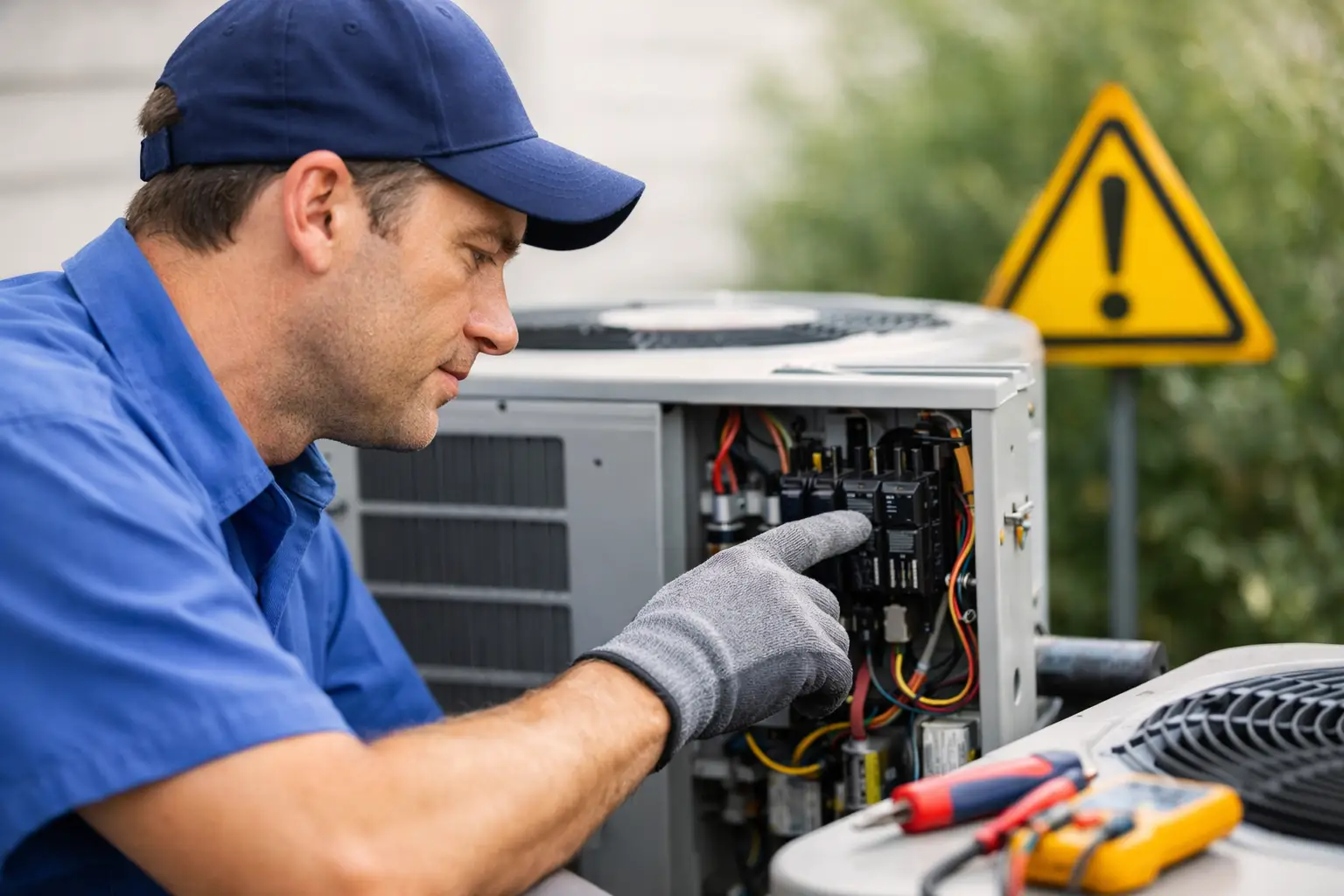
When your air conditioner stops on a hot Mississippi or Louisiana afternoon, an AC breaker reset may look like the fastest answer. Sometimes it is. But a breaker trips for a reason, and resetting it repeatedly can turn a manageable cooling repair into a bigger electrical or equipment problem. The safe approach is to reset it once, pay attention to what happens next, and know when it is time to call for help.
When an AC breaker reset makes sense
A circuit breaker is designed to shut off power when it senses a problem, such as too much electrical current flowing through the circuit. For an air conditioner, a single trip can occasionally happen after a power outage, a storm, or an unusual strain on the system during extreme heat.
If the AC had been cooling normally, there are no unusual smells or sounds, and you can safely reach your electrical panel, one reset attempt is reasonable. The key word is one. A breaker that immediately trips again is not being stubborn. It is protecting your home, your wiring, and your HVAC equipment.
Central air systems often use more than one electrical connection. Your indoor air handler or furnace may have one breaker, while the outdoor condenser has another. Most panels label these as “AC,” “air conditioner,” “condenser,” “heat pump,” or something similar. If labels are missing or confusing, do not guess at random breakers. That can shut down essential equipment or create more confusion about what is wrong.
How to reset an AC breaker safely
Before touching the electrical panel, make sure the area and your hands are completely dry. If you see moisture near the panel, smell burning, notice black marks, or hear buzzing, do not attempt a reset. Turn away from the panel and arrange professional service right away.
For a standard AC breaker reset, follow these steps:
- Set your thermostat to OFF. This keeps the system from trying to restart the moment power returns.
- Find the breaker labeled for your AC, air handler, furnace, or outdoor condenser. A tripped breaker may sit in the middle position rather than fully in the OFF position.
- Push the breaker firmly all the way to OFF first. This step matters because many breakers will not reset unless they are fully switched off.
- Push it firmly back to ON. It should click into place and remain there.
- Wait about five minutes before setting the thermostat back to COOL. Then lower the setting a few degrees below the current indoor temperature and listen for the system to start normally.
If the breaker stays on and the system begins cooling, keep an eye on it over the next day or two. One trip after severe weather or a power fluctuation may not mean the system is failing. Still, if it happens again, schedule an inspection before the problem leaves you without cooling when you need it most.
Do not confuse the outdoor disconnect with the breaker
Many homes have a small electrical box mounted near the outdoor AC unit. This is called a disconnect. It allows a technician to safely cut power to the condenser during service, but it is not typically where a tripped breaker is reset.
Some disconnects contain a pull-out block, while others have a switch. Unless you know exactly how yours works, leave it alone. The main electrical panel is where the circuit breaker is located. Removing panels, opening electrical compartments, or touching wiring is never a homeowner fix.
What it means when the breaker trips again
If your breaker trips a second time, leave it off. Repeated resets can force electricity into a system with a short circuit, failing motor, damaged component, or wiring issue. That is a risk not worth taking, especially when the outdoor unit is exposed to heat, rain, and years of wear.
Several AC problems can cause a breaker to trip. A dirty air filter can restrict airflow and make the system work too hard. A clogged outdoor coil can trap heat, raising strain on the condenser. Failing capacitors, worn contactors, damaged wiring, a weak compressor, and a blower motor problem can also draw more power than the circuit can safely handle.
The cause is not always inside the air conditioner, either. An aging breaker may trip when it should not, or the circuit may have an electrical issue that needs evaluation. That is why a proper diagnosis matters. Replacing a part without testing the system can hide the real problem and lead to another breakdown.
Signs you should skip the reset and call for service
Some situations call for immediate caution rather than troubleshooting. Do not reset the AC breaker if you notice a burning or electrical odor, smoke, visible damage at the unit or panel, melted insulation, a buzzing electrical panel, or water around electrical components.
You should also call for service if the breaker trips as soon as the thermostat calls for cooling, if the outdoor unit hums but will not start, or if your system keeps shutting down during normal operation. These symptoms can point to an electrical component failure that needs trained attention.
For families, landlords, and business owners, the temptation is understandable: you want the cooling back as quickly as possible. But a fast reset is only helpful when it works safely. A qualified HVAC technician can test the electrical load, inspect the capacitor and compressor, check wiring, clean critical components, and identify whether the issue is a repair or a larger system concern.
Simple checks before your appointment
After leaving a repeatedly tripped breaker off, there are a few safe observations you can make. Check that the thermostat is set to COOL and has fresh batteries if it uses them. Look at the air filter. If it is visibly packed with dust, replace it with the correct size and type for your system. A severely restricted filter can contribute to airflow problems, though it will not explain every breaker trip.
You can also clear leaves, grass, and loose debris from around the outdoor unit without opening it. Keep at least a couple of feet of space around the condenser so it can release heat. Do not spray inside electrical areas, remove access panels, or try to restart the system over and over.
If you experienced a storm or outage, make a note of when the problem started. Let the technician know whether the breaker trips immediately, after a few minutes, or only when the outdoor unit starts. Details like these can speed up diagnosis and help protect your comfort budget.
Prevention starts with routine AC care
Most breaker trips are not something a homeowner could have predicted that morning. Still, regular maintenance gives small electrical and airflow issues a chance to be found before they become an emergency. During a professional tune-up, technicians inspect connections, check electrical components, measure operating performance, clean coils as needed, and look for signs of strain.
Changing filters regularly and keeping the outdoor unit clear are useful habits, but they do not replace professional maintenance. Older systems, heavily used systems, and units working through long Gulf Coast cooling seasons may need closer attention. Repairs made early are often less disruptive than waiting for the system to fail during the hottest stretch of the year.
Campo Heating & Air is here when a tripped AC breaker leaves you uncertain about what to do next. If one careful reset does not restore normal operation, the safest move is to leave the breaker off and have the system checked. You deserve clear answers, dependable cooling, and service that treats your home or business with care.
0 Comments