
A family may notice the same pattern every year: sneezing starts when the AC runs more often, someone wakes up congested, and dust seems to reappear right after cleaning. It is fair to ask, do air ducts affect allergies? They can – but ducts are rarely the only cause.
Your HVAC system moves air through the home all day. If that air passes through dirty components, damp ductwork, poor filtration, or gaps that pull dust in from an attic or crawl space, it may carry more irritants into living areas. On the other hand, many allergy symptoms come from outdoor pollen, pets, dust mites, or indoor humidity rather than the ducts themselves. Finding the real source is the best way to spend your money and get meaningful relief.
How Air Ducts Can Affect Allergies
Air ducts do not create allergies. They can, however, collect and circulate particles that irritate sensitive noses, eyes, lungs, and skin. Common concerns include dust, pollen, pet dander, mold spores, and debris from construction or renovation work.
A properly operating system filters much of the air moving through it. Trouble starts when filters are clogged, the system has a return-air leak, ducts are heavily contaminated, or moisture enters the system. Each time heating or cooling turns on, some of those particles may be picked up and redistributed.
This matters in our Gulf Coast climate, where long cooling seasons and high humidity put extra pressure on air conditioning systems. Condensation around a poorly maintained indoor unit, blocked drain, or uninsulated duct can create moisture conditions that deserve prompt attention. Musty odors, visible growth near vents, and repeated allergy-like symptoms when the system runs are all reasons to have the system inspected.
Ducts can pull in dust from places you do not live in
Supply ducts push conditioned air into rooms. Return ducts pull household air back to the HVAC equipment. If return ducts have holes, loose connections, or deteriorated sections, they may draw air from an attic, garage, crawl space, or wall cavity instead of only from your living space.
That can bring in insulation fibers, dust, odors, and other contaminants. It also makes your HVAC system work harder because it is conditioning air that was never supposed to enter the system. Sealing and repairing damaged ductwork may improve both air quality and comfort.
Dirty equipment is often part of the problem
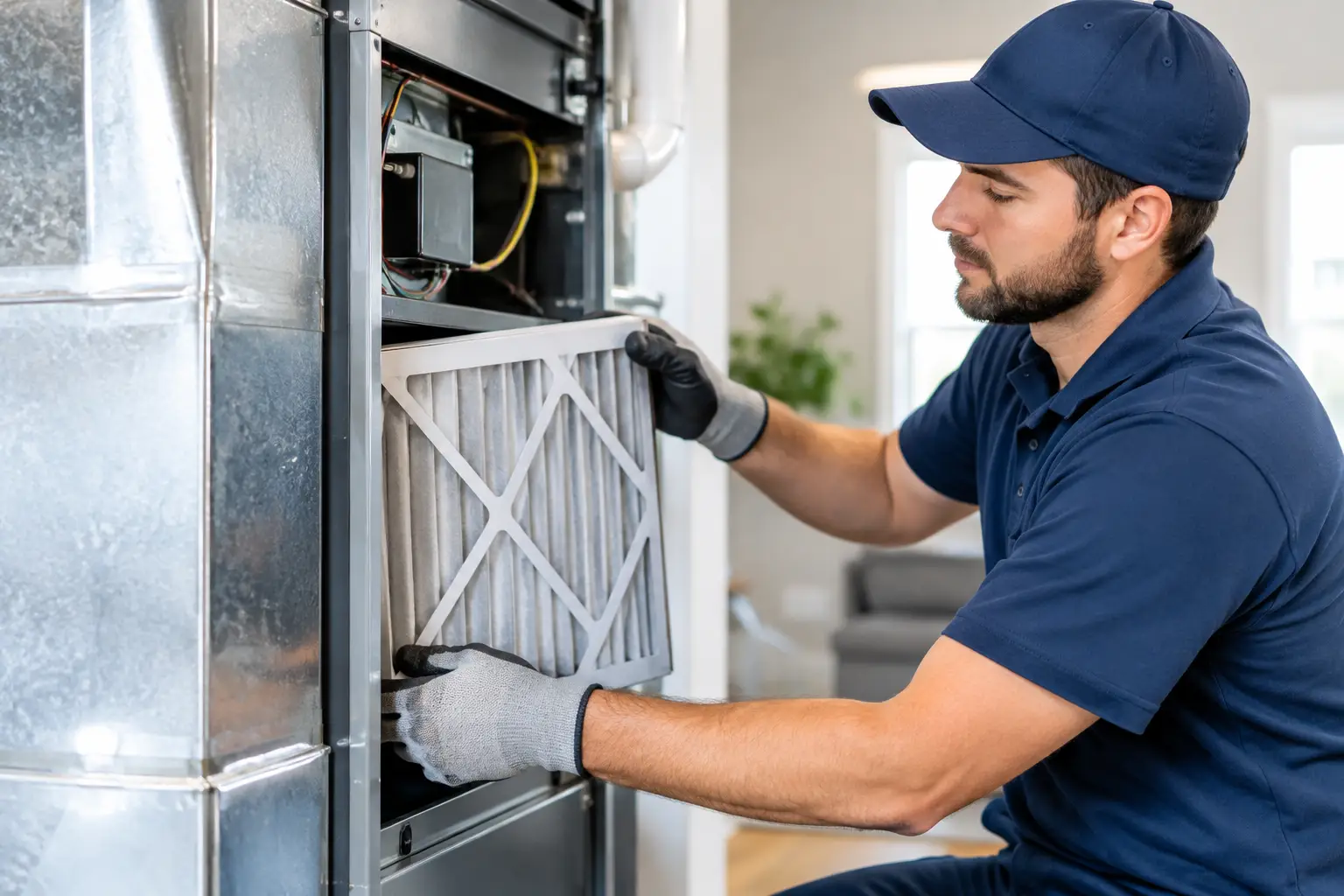
Homeowners often focus on ducts, but the air handler, blower, evaporator coil, drain pan, and filter all matter. A neglected filter restricts airflow and allows more buildup inside the system. A dirty coil can reduce cooling performance and contribute to moisture issues.
That is why a complete HVAC inspection is more useful than assuming duct cleaning alone will solve persistent symptoms. The right solution could be a filter upgrade, a duct repair, a drain correction, equipment cleaning, humidity control, or a combination of services.
Signs Your Ductwork May Be Contributing to Symptoms
Allergies have many causes, so no single sign proves the ducts are at fault. Still, a few patterns are worth paying attention to. Symptoms that worsen when the AC or heat first starts, dust blowing from vents, weak or uneven airflow, unexplained musty smells, and visible dirt around registers can point to an HVAC-related issue.
You may also notice that one room causes more problems than others. That can happen when airflow is poor, a duct is disconnected, or a specific area has a moisture or dust problem. If family members feel better away from home, it is worth looking at the entire indoor environment rather than only treating the symptoms.
Keep in mind that dark marks around a vent do not automatically mean mold. Air movement can leave dust patterns on ceilings or walls, especially around leaky registers. A qualified technician can help distinguish a ductwork concern from a surface-cleaning issue or a larger moisture problem.
When Duct Cleaning Helps – and When It May Not
Duct cleaning can be helpful after a major renovation, pest infestation, water event, fire or smoke exposure, or when substantial dust and debris are confirmed inside the duct system. It may also make sense when there is visible mold growth in HVAC components, although the moisture source must be corrected or the problem can return.
But duct cleaning is not a cure-all for allergies. If pollen is entering every time doors open, a pet is shedding throughout the house, carpets hold dust, or indoor humidity is high, cleaning ducts alone may deliver limited results. Be cautious of anyone who promises that duct cleaning will eliminate allergies or offers a very low price without inspecting the system first.
A reputable recommendation should explain what was found, why it matters, and whether cleaning is truly the right next step. For some homes, repairing leaky ducts and maintaining the equipment will make a bigger difference than cleaning every duct run.
Practical Ways to Improve Indoor Air for Allergy Sufferers
Start with the small maintenance items that have a real impact. Check your air filter monthly during heavy-use seasons and replace it as needed. The right replacement schedule depends on the filter type, pets, household size, and how often your system runs. A filter that is too restrictive for your equipment can also hurt airflow, so ask an HVAC professional before choosing the highest-rated option on the shelf.
Next, keep humidity under control. Most homes are more comfortable when indoor relative humidity stays roughly between 30% and 50%. In South Mississippi and Southern Louisiana, an oversized AC system, drainage issue, duct leak, or ventilation concern can make that goal harder to reach. A system that cools quickly but shuts off too soon may not remove enough moisture from the air.
Regular cleaning still matters. Vacuum with a HEPA-filtered machine if possible, wash bedding often, reduce clutter that collects dust, and address water leaks quickly. If outdoor pollen is high, keeping windows closed while the HVAC system is operating can reduce the amount that enters the home.
For households with ongoing symptoms, an indoor air quality assessment can help prioritize improvements. Depending on the home, options may include duct sealing, whole-home dehumidification, upgraded filtration, UV treatment for appropriate HVAC applications, or targeted duct cleaning. The best choice depends on the condition of the system and the source of the irritants – not a one-size-fits-all package.
When to Call an HVAC Professional
Call for an inspection if you smell mildew when the system runs, see water around indoor equipment, find damaged or disconnected ducts, or have rooms that are consistently dusty despite regular cleaning. You should also get help if the system has poor airflow, frequent filter clogging, or an unexplained rise in energy use.
For homeowners in Picayune, the Mississippi Gulf Coast, and nearby Southern Louisiana communities, Campo Heating & Air can inspect the HVAC system, ductwork, filtration, and moisture-related concerns to help identify what is actually affecting your comfort. A clear diagnosis helps you avoid paying for a service that does not address the problem.
Allergy relief at home often comes from a series of practical improvements, not one dramatic fix. A clean filter, properly sealed ducts, reliable drainage, balanced humidity, and regular system care can give your family cleaner air and more peace of mind every time the system turns on.
0 Comments