
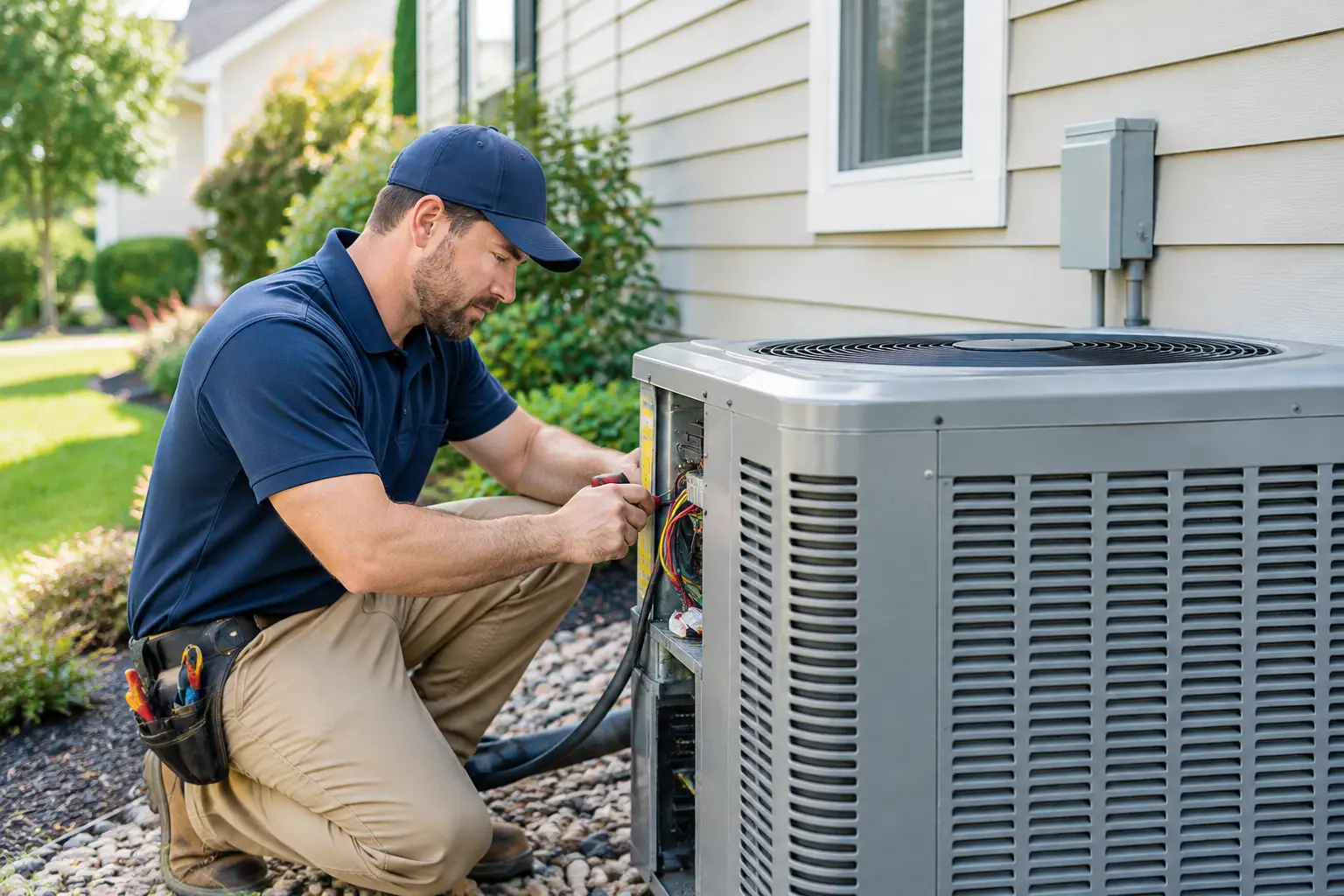
A new heating and cooling system should make your home feel better from the first day it runs. If it is loud, leaves rooms uneven, runs nonstop, or creates surprise utility bills, something in the HVAC installation process was missed. The equipment matters, but the plan behind it matters just as much.
For families along the Mississippi Gulf Coast and in Southern Louisiana, comfort is not a luxury. Long stretches of heat, high humidity, sudden cold snaps, and storm-season demands put real pressure on heating and cooling equipment. A properly selected and professionally installed system gives you dependable comfort now and helps prevent costly frustration later.
HVAC Installation Is More Than Replacing Equipment
It is tempting to replace an old system with the same size and type of unit. Sometimes that is the right answer. Often, it is not. Homes change over time. A remodeled room, added insulation, new windows, duct leaks, or a growing family can all change what the house needs from its HVAC system.
A quality installation begins with a conversation about your home, your comfort concerns, and your budget. Your technician should look beyond the outdoor unit and consider the full system: the indoor equipment, thermostat, refrigerant lines, electrical connections, drainage, airflow, and ductwork. Each part affects the next.
The goal is not simply to get cool air blowing again. It is to create consistent, efficient comfort that fits the way you live.
Proper Sizing Protects Comfort and Your Budget
Bigger is not automatically better in heating and air conditioning. An oversized air conditioner may cool a home quickly, but it can shut off before it removes enough moisture from the air. That can leave your house cool but clammy, especially during a Gulf Coast summer. Frequent starting and stopping can also add wear to the system.
An undersized system has the opposite problem. It may run for long periods without reaching the temperature you set, placing unnecessary strain on components and driving up energy use.
Professional sizing considers factors such as square footage, ceiling height, insulation, windows, sun exposure, occupancy, and local climate. It is a more thoughtful process than choosing equipment based only on the size of the old unit or a neighbor’s home. The right capacity helps the system maintain steady comfort without wasting energy.
Choosing the Right System for Your Property
There is no one best HVAC system for every household or business. The right choice depends on your existing setup, the condition of your ductwork, your fuel source, efficiency goals, and how long you expect to stay in the property.
A central split system is a familiar choice for many homes. It pairs an outdoor air conditioner or heat pump with indoor equipment that distributes conditioned air through ducts. When the duct system is in good condition, this can be an effective way to cool and heat an entire home.
Heat pumps are increasingly popular because they provide both cooling and heating from one system. In our climate, a heat pump can be an efficient option for many homeowners. However, the best fit still depends on the home’s needs and whether supplemental heat is appropriate for colder days.
Ductless mini splits can be a smart solution for additions, garages, older homes, individual offices, or areas with stubborn hot and cold spots. They allow room-by-room temperature control without extending ductwork throughout the space. The trade-off is that multiple indoor units may be needed to serve a larger home, and placement should be planned carefully.
For some properties, repairing part of the existing system makes more financial sense than replacing everything at once. For others, installing matched indoor and outdoor equipment can offer better reliability and efficiency than mixing new and aging components. An honest recommendation should explain both the immediate cost and the likely long-term value.
Ductwork Can Make or Break a New System
A high-efficiency HVAC unit cannot perform at its best if conditioned air is escaping into an attic or crawlspace. Leaky, undersized, damaged, or poorly designed ducts can cause weak airflow, uneven temperatures, dust concerns, and higher utility bills.
Before installation, ductwork should be inspected for obvious leaks, disconnected sections, restricted returns, poor insulation, and signs that the layout is not moving air effectively. Some homes need modest duct repairs. Others may benefit from replacing problem sections or redesigning airflow in areas that have never felt comfortable.
Return air is especially important. Your system needs a clear path to pull air back for conditioning. Closing too many interior doors, using restrictive filters, or having inadequate return ducts can create airflow problems even when the equipment itself is new.
What Professional HVAC Installation Should Include
The details are where long-term performance is won or lost. A professional crew should take the time to protect your property, remove old equipment responsibly, and install new components according to manufacturer requirements and local codes.
A complete installation commonly includes these essential steps:
- Confirming equipment size and system design for the property
- Inspecting ductwork, electrical components, drain lines, and the thermostat
- Setting and connecting equipment correctly, including refrigerant lines and condensate drainage
- Testing airflow, safety controls, refrigerant performance, and temperature operation
- Showing you how to use the thermostat, change filters, and protect the system with routine maintenance
The final testing stage should never feel rushed. Your technician should verify that the equipment starts, cycles, drains, and delivers conditioned air as intended. This is also the time to ask practical questions: Which filter should you buy? How often should it be changed? What sounds or warning signs call for service? Clear answers help you get more value from your investment.
Plan for Efficiency, Humidity, and Indoor Air Quality
Efficiency ratings are useful, but they are not the only measure of a comfortable home. Higher-efficiency equipment can reduce energy use, yet the upfront cost may not be the right fit for every budget. It depends on your current utility costs, how long you plan to own the property, and whether the rest of the system can support the equipment’s performance.
Humidity control deserves special attention in this region. When indoor humidity stays too high, a home can feel warmer than the thermostat reading suggests. It may also contribute to musty odors and moisture concerns. Correct sizing, proper airflow, clean coils, and a functioning drain system all support better humidity removal.
Indoor air quality options may also be worth discussing if someone in the home deals with allergies, frequent dust, or respiratory sensitivities. Better filtration, duct cleaning when appropriate, and targeted air quality products can help, but they should be recommended based on a real concern rather than added automatically to every proposal.
Prepare for Installation Day
A little preparation helps the work move smoothly. Clear a path to the indoor unit, outdoor equipment, attic access, or mechanical closet. Move fragile items away from the work area, and make arrangements for pets that may be stressed by unfamiliar people and noise.
If the installation involves a full system replacement, the work may take most of a day or longer depending on duct modifications, electrical upgrades, equipment access, and the complexity of the property. Ask what to expect before the appointment, including whether your cooling or heating will be unavailable for part of the day.
This is also a good time to review payment options. A replacement system is a meaningful investment, and financing can make it easier to choose reliable equipment without delaying needed comfort. The right plan should be clear, manageable, and suited to your household budget.
Keep Your New System Working Like New
Installation is the beginning of your relationship with a heating and cooling system, not the finish line. Change filters on schedule, keep the outdoor unit clear of leaves and debris, and avoid blocking supply or return vents with furniture. Small habits protect airflow and reduce preventable strain.
Regular professional maintenance is equally valuable. Seasonal service gives a technician the chance to clean components, spot developing issues, check safety controls, and keep your system operating efficiently before extreme weather arrives. It is far easier to address a worn part during a planned visit than during a midsummer breakdown.
When you are ready to replace aging equipment, choose a team that listens before it recommends. Campo Heating & Air helps homeowners and property owners make informed installation decisions with dependable service, straightforward options, and support that continues after the job is done. A well-planned system should give you one less thing to worry about when the weather refuses to cooperate.
0 Comments