
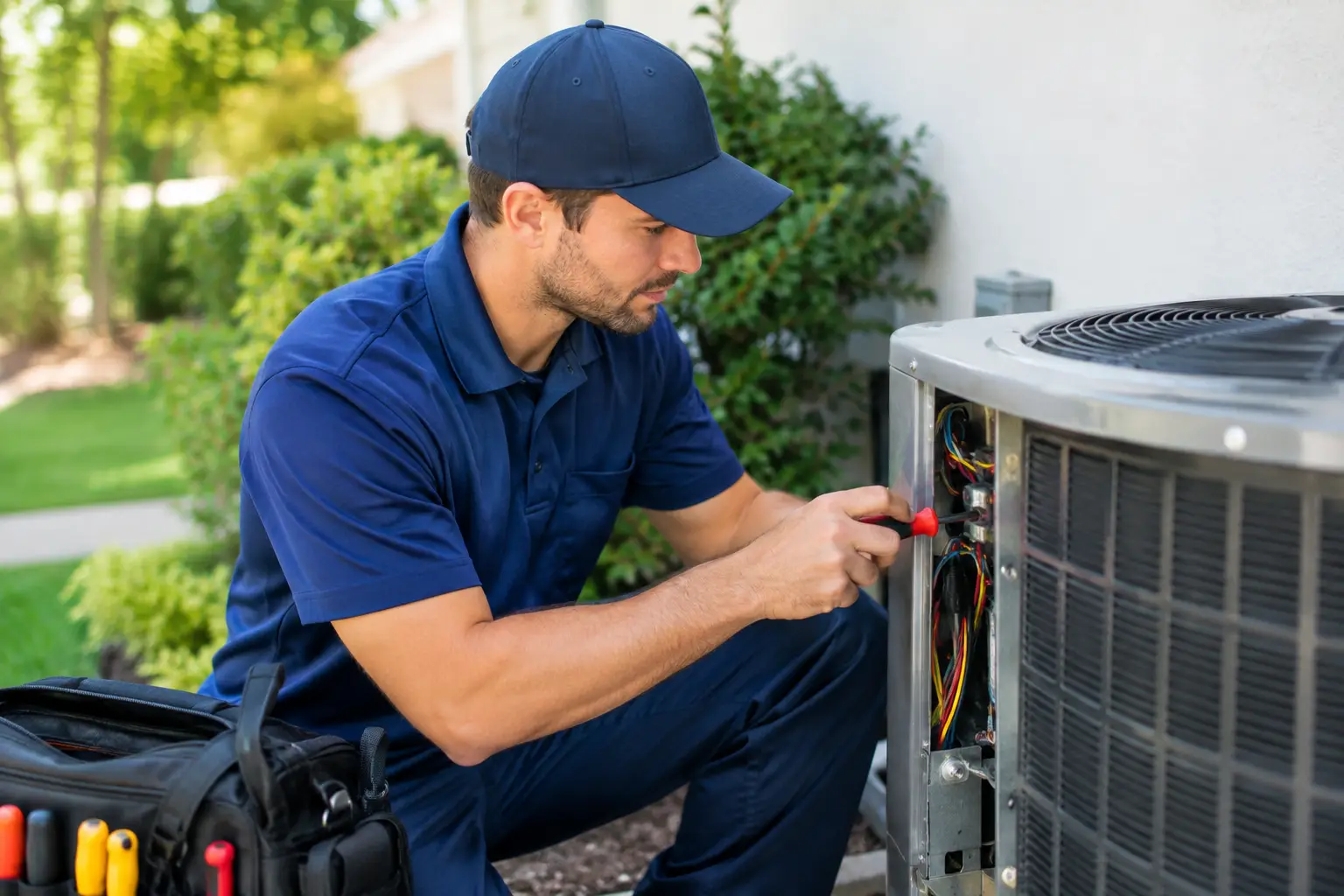
That new rattle from the outdoor unit is easy to ignore when the house is still cool. But AC noise causes are often mechanical issues asking for attention before a minor repair turns into a no-cooling emergency. In South Mississippi and Southern Louisiana, where your system works hard through long, humid summers, unusual sounds deserve a quick response.
Some air conditioner noises are normal. A brief click when the system starts, the steady rush of air through vents, and a low outdoor-unit hum are all part of regular operation. What is not normal is a sound that is suddenly louder, persistent, metallic, or paired with weak airflow, warm air, odd odors, or a rising utility bill.
Common AC Noise Causes and What They Mean
The sound alone cannot diagnose an air conditioner with certainty. Where the sound comes from, when it occurs, and whether your cooling performance has changed all matter. Still, these common patterns can help you decide how quickly to schedule service.
Banging or clanking
A banging or clanking sound usually points to a loose or damaged part inside the outdoor condenser or indoor air handler. A fan blade may be unbalanced, a mounting component may have loosened, or a compressor part may be failing. Because the compressor is one of the most expensive components in an AC system, do not let a repeated metal-on-metal sound continue for days.
Turn the system off if the noise is severe or the unit shakes noticeably. Continuing to run it can cause additional damage to the fan, motor, or compressor housing. A trained technician can inspect the equipment safely, secure loose components, and determine whether a repair is practical.
Screeching, squealing, or grinding
High-pitched squealing can come from a failing blower motor, worn bearings, or a belt issue in older equipment. Grinding is more concerning because it often means metal components are rubbing where they should not. This can happen in either the indoor blower assembly or the outdoor fan motor.
These sounds generally will not improve on their own. Shut the unit down and arrange service soon, especially if the AC is struggling to start or airflow has dropped. Prompt repair may save the motor before it burns out completely.
Buzzing or electrical humming
A mild hum from an operating outdoor unit can be normal. A loud buzz, however, can have several causes: loose electrical connections, a failing capacitor, a contactor problem, a damaged fan motor, or debris interfering with moving parts. Refrigerant-related issues can also create unusual buzzing in some situations.
Electrical components should never be a do-it-yourself repair. If you hear loud buzzing, notice a burning smell, see a tripped breaker, or find that the system starts and stops repeatedly, turn off the AC at the thermostat and call for professional help. Repeatedly resetting a breaker without finding the cause can create a larger safety issue.
Rattling or vibrating
Rattling is one of the more common AC noise causes, and sometimes the fix is simple. A loose access panel, worn vibration pad, unsecured refrigerant line, or debris around the outdoor unit can create a rattle. Storms, lawn work, and normal wear can all leave something loose near the condenser.
Before calling, you can safely check for leaves, sticks, or other obvious debris around the outside unit. Keep at least a couple of feet clear around it, and do not put hands or tools through the protective grille. If the rattle continues after the area is clear, a technician should inspect the cabinet, fan, and mounting hardware.
Clicking that keeps repeating
One click when your AC begins a cooling cycle and another when it shuts off are usually normal. Constant clicking, clicking without the system starting, or rapid clicking during operation is not. It may signal a thermostat issue, a failing relay, a faulty capacitor, or an electrical control problem.
This is especially worth addressing if your home is not reaching the temperature you set. The system may be trying to start but failing, which puts unnecessary strain on electrical parts and can leave you without cooling when you need it most.
Hissing, bubbling, or gurgling
A soft air sound near a vent may simply be normal airflow. A clear hiss from the equipment or refrigerant lines can indicate a refrigerant leak. Bubbling or gurgling may also point to a refrigerant issue, though it can sometimes come from a condensate drain problem.
Low refrigerant affects more than comfort. It can reduce efficiency, cause ice to form on the coil, and put stress on the compressor. Refrigerant is not something to top off without finding the leak. A dependable repair includes locating the source, correcting it when possible, and charging the system properly.
Whistling from vents or ductwork
Whistling often comes from restricted airflow rather than a failing AC component. A heavily clogged air filter, closed supply vents, undersized ductwork, or leaky duct connections can force air through a narrow path and create that sharp sound.
Start with the filter. If it is visibly dirty, replace it with the correct size and type for your system. Avoid closing too many vents in unused rooms, since that can increase pressure in the duct system. If a new filter does not help, ductwork may need attention, particularly in older homes or rooms that never seem to cool evenly.
When an AC Sound Needs Immediate Attention
An air conditioner that is noisy but still running may not always need an emergency visit. It depends on the sound and the symptoms around it. A loose panel can wait for a scheduled repair. Grinding, loud buzzing, burning smells, smoke, breaker trips, or violent shaking should not.
Turn off the system and seek prompt professional service if you notice any of the following:
- A burning, smoky, or hot electrical odor
- Loud grinding, banging, or screeching
- Water leaking heavily around the indoor unit
- Ice on refrigerant lines or the indoor coil
- A tripped breaker that trips again after being reset once
- No cooling during extreme heat, especially for young children, older adults, or anyone with health concerns
If your AC is running but the house is getting warmer, avoid forcing it to keep cycling. Turning it off may prevent additional damage while you wait for service. Use fans, close blinds against afternoon sun, and keep doors closed to hold onto whatever cool air remains.
Why Waiting Can Cost More
Most air conditioners give warning signs before a complete failure. A fan motor may squeal before it stops. A loose part may rattle before it damages a blade. A weak capacitor may click before the unit will not start at all. Acting early often means a smaller repair, less downtime, and a better chance of protecting major equipment.
There is also an efficiency cost. When airflow is restricted, refrigerant is low, or a motor is struggling, the system may run longer to do the same job. That can raise monthly energy costs while leaving parts of the home uncomfortable. For landlords and business owners, noise complaints can also signal a problem worth handling before it disrupts tenants, employees, or customers.
How Routine Maintenance Prevents Unwanted AC Noise
Not every AC problem is preventable, but regular maintenance catches many of the conditions that create noise. During a professional tune-up, a technician can inspect electrical connections, test motors and capacitors, check refrigerant performance, clean critical components, verify drainage, and look for loose hardware before it gets worse.
Homeowners can help between visits by changing filters on schedule, keeping the outdoor unit clear of vegetation and debris, and paying attention when a familiar sound changes. A system does not need to be completely broken before it earns a service call.
For homeowners in Picayune and nearby communities, Campo Heating & Air provides straightforward AC repair and maintenance with the urgency and respect your comfort deserves. If a sound has you wondering whether your system is safe to run, it is always better to ask early than wait for the quiet of a complete shutdown.
0 Comments