
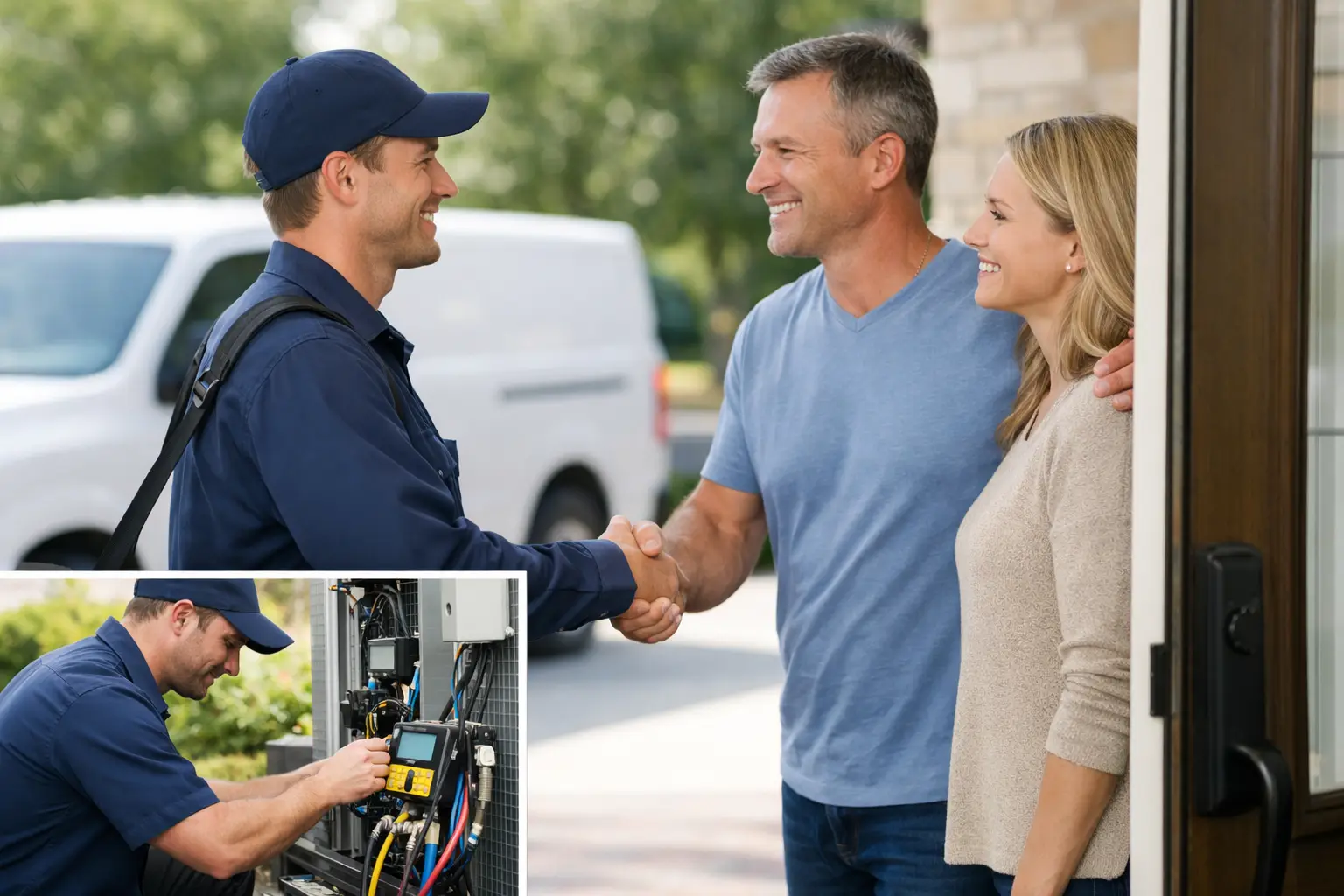
When the AC stops blowing cold air during a Gulf Coast afternoon or your heater quits on a chilly night, waiting until business hours may not be an option. Pass Christian emergency HVAC service is for the moments when your home, family, tenants, or business need safe, dependable comfort restored as quickly as possible.
A sudden HVAC failure can feel overwhelming, especially when the cause is unclear. The good news is that a few calm steps can protect your equipment, help prevent further damage, and make an emergency service visit more efficient. Knowing what counts as a true emergency also helps you make the right call without second-guessing yourself.
When to Call for Pass Christian Emergency HVAC Help
Not every comfort problem requires an after-hours repair, but some situations should not wait. A system that is running but not keeping up may be uncomfortable, yet it can sometimes be addressed with a scheduled appointment the next day. A complete failure during dangerous heat or cold is different, particularly for young children, older adults, pets, or anyone with a health condition.
Call for emergency HVAC service when your air conditioner or heating system has stopped working and indoor conditions are becoming unsafe. A no-cooling situation can become serious quickly in Pass Christian, where humidity makes a hot house feel even hotter. Loss of heat during a cold snap also deserves prompt attention, especially if it puts people, plumbing, or a commercial property at risk.
Certain warning signs require immediate action because they may point to a safety issue rather than a routine repair. Shut the system off and seek help if you notice any of the following:
- A burning odor, smoke, sparks, or repeated electrical breaker trips
- A strong gas smell near a furnace, gas line, or mechanical room
- Carbon monoxide alarm activation, soot around heating equipment, or unusual flame color
- Water leaking heavily from the unit or ceiling, especially near electrical components
- Loud banging, grinding, screeching, or metal-on-metal noises from the system
If you smell gas, leave the building if needed, avoid switches and open flames, and contact your gas provider or emergency services before arranging HVAC repairs. An HVAC technician can address the equipment issue, but gas leaks and immediate fire risks must be handled with the right safety response first.
What to Do Before the Technician Arrives
Start by setting the thermostat to off if the system is making alarming noises, smelling hot, leaking significantly, or tripping the breaker. Continuing to run a struggling system can turn a manageable repair into more extensive damage. If there is no safety concern, check that the thermostat has power, is set to the correct mode, and has a reasonable temperature setting.
Next, look at the air filter. A severely clogged filter can restrict airflow enough to cause poor cooling, frozen coils, overheating, or a system shutdown. If you have a clean replacement filter and can safely access it, replacing it is worth doing. Do not force panels open or attempt repairs inside the unit.
For an AC issue, check the outdoor unit from a safe distance. Clear away loose leaves, grass clippings, or objects blocking airflow around it. Do not spray it with a hose, remove electrical panels, or touch wiring. If the indoor unit is frozen, turn cooling off and set the fan to on if it still operates. This may help the ice thaw, but a frozen system still needs professional diagnosis because low refrigerant, airflow restrictions, and drainage problems can all be involved.
It also helps to make a quick note of what happened. Did the unit stop suddenly? Was it short-cycling, running constantly, making a new sound, or failing after a storm? These details help a certified technician narrow down the cause faster. If your breaker is tripped, you can reset it once. If it trips again, leave it off. Repeated resets can damage the system and create an electrical hazard.
Why Emergency HVAC Problems Happen
Most emergency breakdowns do not begin as emergencies. They often develop from an issue that has been quietly building for weeks or months. A worn capacitor may make an air conditioner struggle to start. A dirty coil can make it run harder and longer. A neglected drain line can back up and trigger a safety switch that shuts the system down.
On the heating side, aging ignition components, blower motor problems, thermostat failures, and airflow restrictions can leave a furnace unable to heat when it is needed most. Heat pumps can face similar electrical, refrigerant, and airflow concerns while doing double duty through changing seasons.
Storms and power interruptions can also create urgent HVAC trouble along the coast. A surge may affect a control board or capacitor. Wind-driven debris can restrict an outdoor unit. Even after power returns, equipment may not restart normally. That does not always mean replacement is necessary, but it does mean the system should be checked rather than repeatedly restarted.
The repair itself depends on the real cause. Sometimes the fix is straightforward, such as replacing a failed electrical component, clearing a drain line, repairing a thermostat connection, or correcting a blower issue. Other times, a system has reached a point where repair costs, age, and reliability make replacement worth discussing. A dependable technician should explain both paths clearly, without pressure, so you can make a decision that fits your home and budget.
Emergency Service Should Bring Clarity, Not More Stress
When your cooling or heat goes out, you deserve more than a vague arrival window and confusing technical language. Emergency service should begin with listening to what happened, inspecting the system carefully, and explaining the issue in plain terms. You should know what repair is recommended, why it matters, and what the expected cost involves before work moves forward.
For landlords and small business owners, speed matters for another reason: an HVAC outage affects tenants, employees, customers, inventory, and operations. A restaurant dining room that is too hot, an office with no heat, or a rental home without cooling can quickly become a bigger property concern. Prompt service helps protect the people in the building and reduces disruption.
At the same time, fast service should not mean rushed diagnosis. Replacing a part without identifying why it failed can lead to another breakdown. For example, a failed capacitor may be an isolated issue, but it can also be connected to electrical strain or an aging compressor. A frozen coil may need thawing, but the underlying airflow or refrigerant problem must be addressed before the system is returned to normal use.
Preventing the Next After-Hours Breakdown
No maintenance plan can guarantee that a part will never fail, but routine care greatly reduces unpleasant surprises. Before peak cooling season, an HVAC tune-up can identify weak electrical components, drainage concerns, dirty coils, low airflow, and refrigerant-related problems before your system is working its hardest. Heating maintenance offers the same advantage before colder weather arrives.
Homeowners can help between visits by checking filters regularly, keeping outdoor equipment clear, and paying attention to changes in performance. Rooms that suddenly feel warmer, new noises, higher utility bills, weak airflow, and frequent cycling are all reasons to schedule service before a complete shutdown occurs.
If your system is older and repairs are becoming more frequent, planning ahead can also protect your budget. An emergency replacement is rarely anyone’s first choice. Reviewing replacement options, efficiency needs, and financing before the equipment fails gives you more control when the time comes.
A comfort emergency is never convenient, but you do not have to face it alone. When cooling or heating cannot wait in Pass Christian, Campo Heating & Air provides 24/7 emergency response with the straightforward care, skilled service, and peace of mind your home or business deserves.
0 Comments