
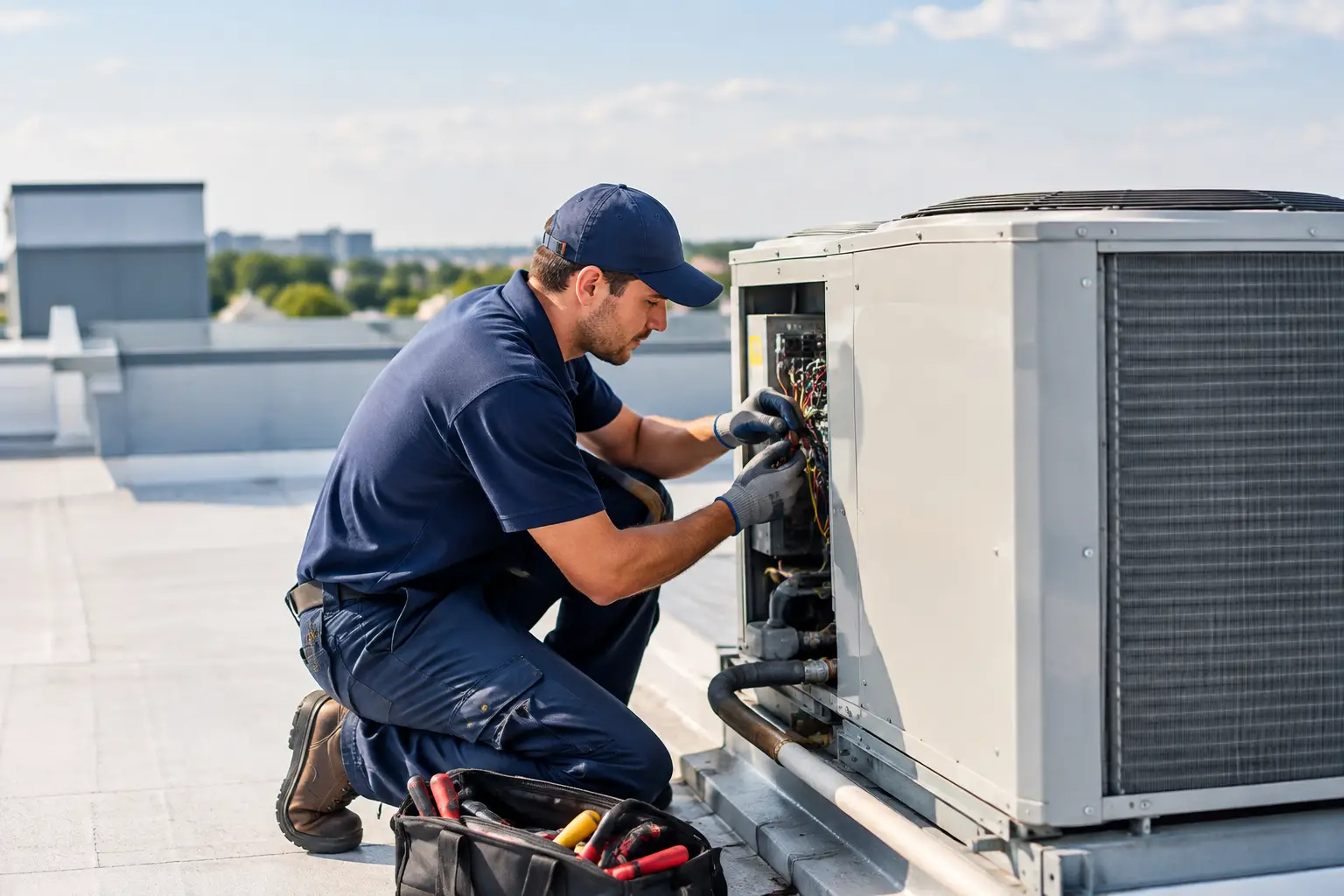
A rooftop HVAC unit can be easy to forget about when it is doing its job. It sits out of sight, keeps customers and employees comfortable, and supports the day-to-day operation of your business. But when it starts blowing warm air, short cycling, leaking, or making unusual noise, waiting can turn a manageable rooftop unit repair service into a larger and more expensive problem.
For businesses across Picayune, the Mississippi Gulf Coast, and nearby Southern Louisiana communities, dependable cooling is not a luxury. It affects customer experience, employee productivity, equipment protection, and operating costs. Knowing when to call for help can protect your comfort and your budget.
Signs You Need Rooftop Unit Repair Service
A rooftop unit does not always fail all at once. Many units give clear warnings before a complete breakdown. Acting on those warnings early may prevent downtime during a hot Mississippi summer day or an unexpected cold snap.
Warm air from the supply vents is one of the most obvious signs. The issue may be as simple as a thermostat setting or dirty filter, but it can also point to refrigerant loss, a compressor problem, an electrical failure, or restricted airflow. If the unit is running but your building is not cooling properly, it is time to have it checked.
Uneven temperatures deserve attention, too. When one area of a restaurant, office, shop, or rental property feels comfortable while another remains hot and humid, the cause could involve ductwork, dampers, blower components, controls, or the rooftop unit itself. Turning the thermostat lower may not solve the underlying issue. It often just makes the equipment work harder.
Strange sounds are another reason to call. Rattling can indicate loose panels or hardware. Squealing may come from a belt or motor issue. Grinding, buzzing, repeated clicking, and loud banging should never be ignored. A trained technician can identify whether the noise is a minor repair or a warning that a major component is at risk.
You should also schedule service if you notice water around the unit or water stains inside the building. Rooftop units create condensation during normal cooling operation, but that moisture must drain correctly. A clogged drain line, damaged drain pan, frozen coil, or poor unit drainage can lead to water damage, mold concerns, and avoidable repairs.
Why Fast Repairs Matter for Your Business
A struggling rooftop unit consumes more energy than a properly operating one. When airflow is restricted, electrical components are failing, or refrigerant levels are incorrect, the system may run longer than it should just to produce limited comfort. That extra runtime can show up on your utility bill well before the unit stops working entirely.
There is also the human side of the problem. A hot showroom can send customers out the door. An uncomfortable office can make it harder for employees to focus. For restaurants, medical offices, retail spaces, and other customer-facing businesses, indoor comfort is part of the experience you provide.
Fast service is especially valuable because commercial HVAC problems rarely happen at a convenient time. A unit may fail before opening, during a busy weekend, or after a storm. Reliable emergency response gives property owners and managers a clear next step when comfort cannot wait.
What a Professional Rooftop Unit Repair Visit Includes
Good repair service begins with finding the real cause of the problem, not simply treating the symptom. If a unit is not cooling, for example, adding refrigerant without locating a leak can lead to another breakdown. Replacing a failed part without checking why it failed can do the same.
A qualified technician will assess the unit’s overall operation, including thermostat controls, electrical connections, capacitors, contactors, motors, belts, filters, coils, drainage, refrigerant performance, and airflow. The exact inspection depends on the equipment and complaint, but the goal is consistent: identify what is wrong, explain the repair clearly, and help you make an informed decision.
For older equipment, the technician may also discuss whether a repair makes financial sense. Age alone does not mean a rooftop unit needs replacement. A well-maintained unit may have useful life remaining after a reasonable repair. On the other hand, if the system has recurring compressor issues, frequent refrigerant leaks, major corrosion, or rising repair costs, replacement may offer better long-term value.
The right recommendation depends on the condition of the equipment, the scope of the repair, energy use, and your plans for the property. Honest guidance should never pressure you into a replacement when a dependable repair is the better answer.
Common Rooftop Unit Problems That Should Not Wait
Some issues can cause further damage if the unit continues to run. A frozen evaporator coil is a good example. It may be caused by a dirty filter, low refrigerant, blower trouble, or another airflow issue. Continuing to operate the unit can strain the compressor and leave the building without cooling.
Electrical problems also deserve prompt attention. Tripped breakers, burning smells, intermittent operation, or a unit that repeatedly tries and fails to start can signal a failing component or unsafe connection. Shut the system down if you smell burning or see smoke, then arrange emergency service.
Storm exposure is another local concern. High winds, heavy rain, and debris can damage panels, electrical components, drain systems, and rooftop connections. Even if the unit still runs after severe weather, an inspection can catch damage before it becomes a comfort emergency.
Maintenance Helps Avoid Unexpected Repairs
No maintenance plan can guarantee that a part will never fail. HVAC equipment has moving components, electrical controls, and outdoor exposure to manage. Still, regular maintenance gives you a much better chance of catching small issues before they interrupt business.
During scheduled service, a technician can clean coils, replace or recommend filters, inspect belts and motors, check electrical components, test drainage, and verify overall performance. These visits help the unit operate more efficiently and can reveal wear before it becomes a failure on the hottest day of the year.
Maintenance is particularly valuable for property managers and business owners responsible for multiple spaces. Rather than reacting to each breakdown, you can plan for service, track equipment condition, and budget for future repairs or replacement with fewer surprises.
Choosing a Rooftop Unit Repair Company
Commercial rooftop equipment requires more than a quick guess from the ground. Choose a company with trained technicians who can safely access, diagnose, and repair the type of equipment serving your building. Clear communication matters just as much as technical skill. You should understand what failed, what the repair involves, what it will cost, and whether there are alternatives worth considering.
Look for a local team that respects your schedule and understands that business interruptions carry real consequences. Same-day availability, 24/7 emergency support, transparent recommendations, and a satisfaction guarantee can make a stressful HVAC problem easier to manage.
Campo Heating & Air provides customer-first commercial HVAC care with the responsive service local businesses need when comfort is on the line. Whether your rooftop unit needs a focused repair, a maintenance visit, or a conversation about replacement options, the best time to act is before a minor warning becomes a closed-door emergency.
0 Comments