
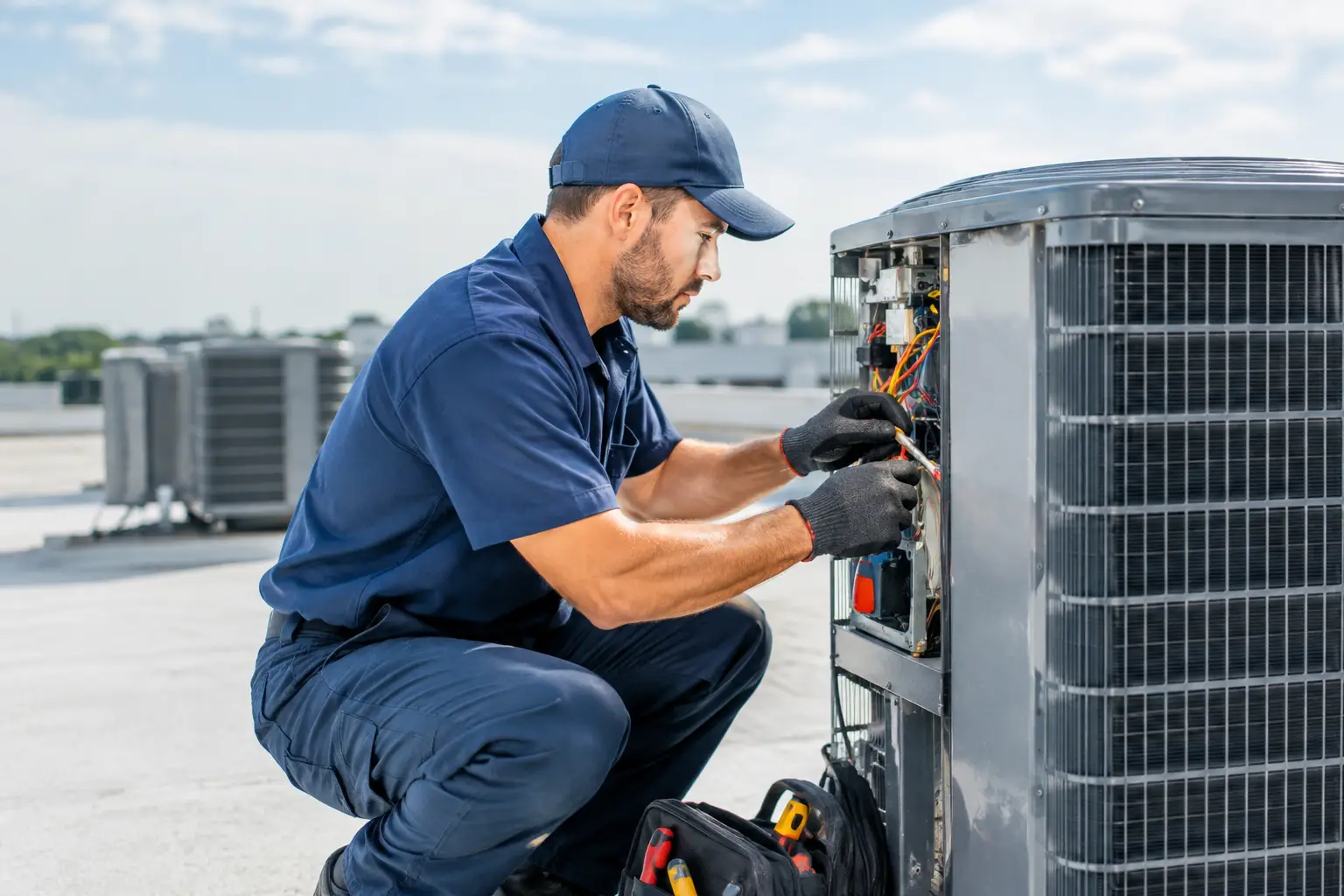
A hot dining room, a humid retail floor, or an office with uneven temperatures can affect far more than comfort. It can send customers out the door, frustrate employees, strain equipment, and interrupt the work that keeps your business moving. Dependable Slidell commercial HVAC service helps prevent small comfort problems from becoming costly disruptions.
For local business owners and property managers, the right HVAC partner does more than show up when the air conditioner quits. They help protect your building, your budget, and the people who rely on your space every day. That means responsive repairs, practical maintenance, clear answers, and recommendations that fit your operation rather than a one-size-fits-all sales pitch.
Commercial Comfort Is Part of Your Business
Your heating and cooling system works behind the scenes, but everyone notices when it stops doing its job. Customers may cut a visit short if the space feels stuffy or warm. Employees may have trouble focusing in a humid office or warehouse. For restaurants, medical offices, retail spaces, rental properties, and other commercial buildings, temperature control also affects the equipment, inventory, and indoor air conditions inside.
Slidell weather puts serious demands on cooling systems for much of the year. Long run times, high humidity, clogged drain lines, dirty coils, and worn electrical components can create trouble fast. Heating may not run as often, but a cold snap can reveal a furnace or heat pump issue at exactly the wrong time.
Commercial equipment also has a different workload than a typical home system. It may serve larger spaces, operate longer hours, or rely on multiple units and zones. A problem in one area can be easy to miss until comfort complaints begin stacking up. That is why proactive attention is often less expensive than waiting for a complete breakdown.
When to Call for Commercial HVAC Help
Some HVAC failures are obvious. If the system will not turn on, blows warm air during cooling season, trips breakers, leaks water, or makes loud new noises, it is time to schedule service quickly. An emergency repair may be especially necessary when heat, humidity, or poor airflow could force you to close or put occupants at risk.
Other warning signs are quieter but still worth addressing. Rising utility bills, rooms that never seem to reach the thermostat setting, frequent cycling, humidity that lingers indoors, and repeated employee complaints all point to a system that needs attention. A technician can identify whether the issue is a simple repair, an airflow concern, a controls problem, or a sign that the equipment is nearing the end of its useful life.
Waiting can turn a manageable repair into a larger expense. For example, a neglected drain line may eventually cause water damage, while a failing capacitor or contactor can leave a unit unable to start. Early service protects the system, but it also gives you more control over timing and cost.
What a Good Commercial Service Visit Should Include
A professional visit should start with listening. Your technician needs to understand which areas are uncomfortable, when the issue occurs, how long it has been happening, and whether your operating hours or building use have changed. Those details help pinpoint problems that a quick glance at the thermostat will not reveal.
From there, service may include checking refrigerant performance, electrical connections, condenser and evaporator coils, filters, drainage, blower components, thermostat controls, safety switches, and airflow. The exact work depends on your equipment and the concern you are experiencing. A small office with one split system has different needs than a multi-unit retail center or a busy restaurant.
The best outcome is not simply getting cold air back for the afternoon. It is receiving a clear explanation of what failed, what was repaired, what may need attention later, and what choices you have. Honest recommendations matter when you are managing a business budget. You deserve to know whether a repair is expected to provide reliable service or whether replacement planning would be the wiser long-term move.
Maintenance Prevents the Most Disruptive Surprises
Commercial HVAC maintenance is one of the simplest ways to avoid emergency calls during the busiest part of the season. Regular visits give technicians the chance to clean components, inspect wear items, verify system operation, and catch developing concerns before they interrupt your day.
For many businesses, twice-yearly maintenance makes sense: one visit before the heavy cooling season and another before colder weather arrives. However, the right schedule depends on the system’s age, operating hours, building occupancy, and indoor conditions. A restaurant, salon, gym, or location with high foot traffic may need more frequent filter changes and closer attention than a lightly used professional office.
Maintenance also supports better efficiency. Dirty coils, blocked filters, weak capacitors, and poor airflow can force equipment to work harder than necessary. That extra strain shows up in higher energy use and increased wear. Routine care cannot prevent every repair, but it can reduce avoidable problems and help equipment last longer.
Repair or Replace? Make the Decision With Clear Information
No business owner wants to replace commercial HVAC equipment before it is necessary. Repair is often the right choice when the system is relatively young, the issue is isolated, and the repair restores dependable performance. A qualified technician should be able to explain the repair in plain language and give you an honest picture of what to expect next.
Replacement deserves consideration when repairs become frequent, energy bills keep climbing, comfort problems continue, or major components fail on an older unit. Equipment that is undersized, oversized, or poorly configured for the building can also create ongoing issues that repairs alone will not solve.
The lowest immediate price is not always the lowest cost over time. A less expensive repair may be sensible for a unit that still has years of service ahead. On the other hand, repeatedly repairing an aging system can drain your maintenance budget while leaving your business vulnerable to another shutdown. The right answer depends on the condition of your equipment, your plans for the property, and how critical uninterrupted comfort is to daily operations.
Indoor Air Quality Deserves a Place in the Conversation
Cooling is not the only concern in a commercial building. Humidity, dust, odors, stale air, and uneven ventilation can make a space feel uncomfortable even when the thermostat looks right. In Southern Louisiana, humidity control is particularly important because excess moisture can leave rooms clammy and encourage mold-related concerns.
Good airflow and clean ductwork support more consistent comfort across the building. Depending on the space, solutions may include filtration improvements, duct repair or cleaning, humidity control, ventilation adjustments, or zoning recommendations. These are not automatic add-ons for every property. They should be based on a real assessment of the building and the problems people are experiencing.
Choose a Team That Respects Your Time and Budget
Commercial HVAC service is about more than technical skill. Your provider should understand that a repair visit affects employees, tenants, customers, and your schedule. Look for trained, certified technicians who communicate clearly, arrive prepared, and treat your property with care.
It also helps to work with a local company that can be there when trouble cannot wait. Campo Heating & Air provides commercial heating, cooling, maintenance, and indoor air quality support with same-day appointments when available and 24/7 emergency response for urgent situations. Affordable options and straightforward guidance help business owners make decisions with confidence instead of pressure.
A dependable relationship means you are not scrambling to find help every time a system acts up. Your service team gets to know your equipment, your building, and the comfort standards your customers and employees expect.
When your HVAC system is quiet, efficient, and reliable, it gives you one less thing to manage. Scheduling service at the first sign of trouble – and keeping up with maintenance before the next demanding season – helps protect the comfortable, welcoming business environment you have worked hard to build.
0 Comments