
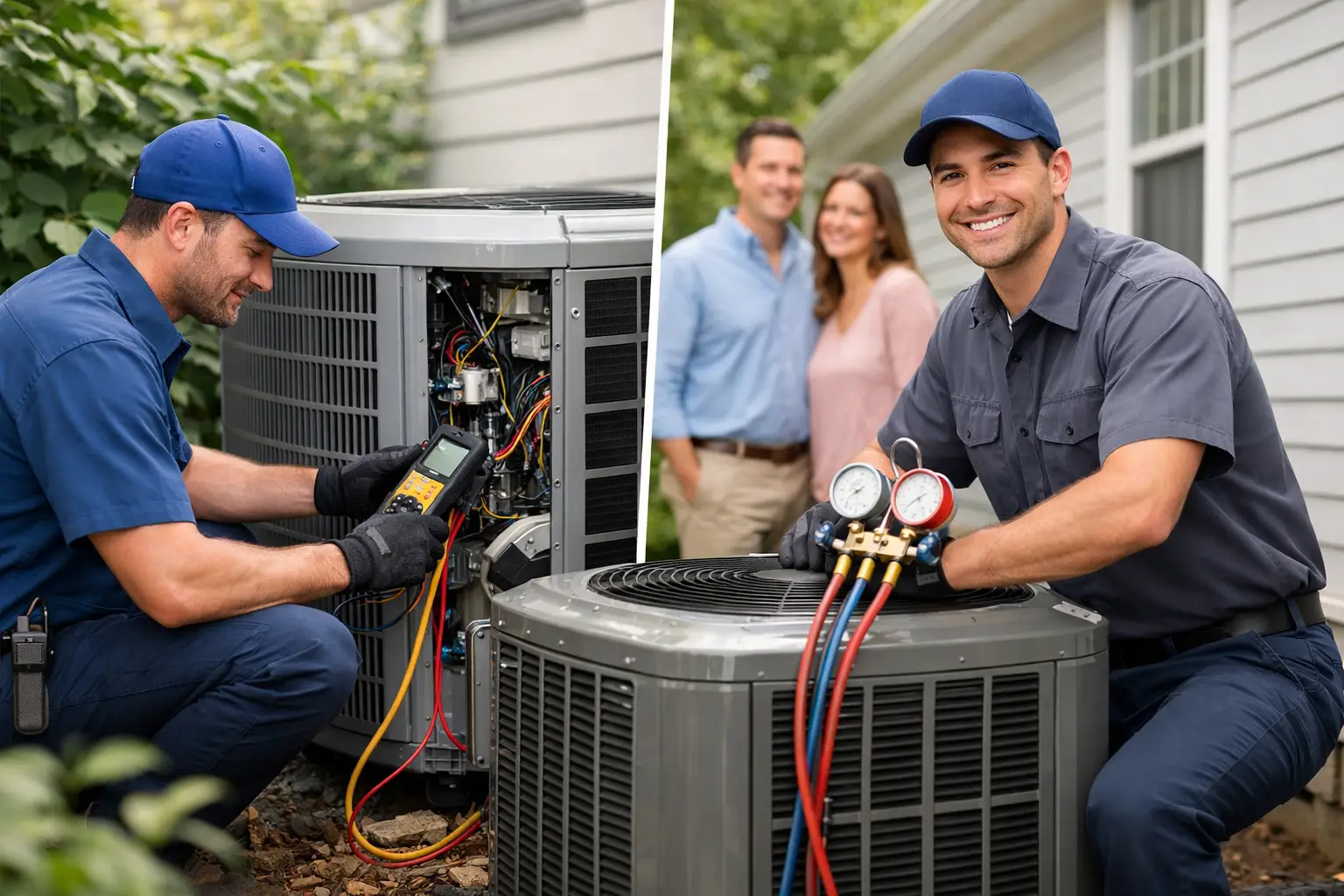
A July afternoon on the Gulf Coast asks a lot from an HVAC system. It has to lower the temperature, pull moisture from the air, and keep working through long stretches of heat. When it is time to replace equipment, the heat pump versus air conditioner decision comes down to more than the name on the outdoor unit. Your heating needs, budget, ductwork, comfort preferences, and the condition of your current system all matter.
For many homes in Picayune, across the Mississippi Gulf Coast, and into Southern Louisiana, a heat pump can be an excellent fit because winters are generally mild. But a traditional air conditioner paired with a furnace may still be the right answer for your household. The best choice is the one that delivers reliable comfort without creating unnecessary costs or surprises later.
Heat Pump Versus Air Conditioner: The Main Difference
Both systems use refrigeration to move heat out of your home during cooling season. That means both can provide strong air conditioning when they are correctly sized, installed, and maintained. A high-efficiency heat pump is not automatically a better air conditioner than a high-efficiency central AC system. The cooling performance depends heavily on the equipment rating, installation quality, airflow, and thermostat settings.
The key difference appears when the weather turns cool.
An air conditioner cools only
A central air conditioner removes heat from indoor air and sends it outside. When you need warmth, it works with a separate heating system, commonly a gas furnace, electric furnace, or another source of heat. This is a familiar setup in many homes, and it can be a practical choice when an existing furnace is still in good condition.
A heat pump heats and cools
A heat pump performs the same cooling job in summer. In winter, it reverses its operation and pulls available heat from outdoor air into your home. Even on a cool day, outdoor air contains heat that the system can use.
Because a heat pump provides both heating and cooling, it can replace an air conditioner and, in some homes, reduce the need for a separate conventional heating system. Most heat pumps also have auxiliary or backup electric heat for colder periods. This backup matters during the occasional hard cold snap, when a heat pump must work harder to maintain indoor temperature.
Upfront Cost Is Only Part of the Decision
It is understandable to focus first on the price of a new system. A replacement is a meaningful investment, especially when an old unit fails during the hottest part of the year. Still, comparing only the initial equipment price can lead to the wrong choice.
A heat pump may cost more than an air conditioner alone because it includes heating capability. However, if it replaces aging cooling and heating equipment at the same time, the overall project may make more financial sense. In a mild Southern climate, using a heat pump for most winter heating can also be less expensive than relying entirely on electric resistance heat.
On the other hand, homeowners with a newer, efficient gas furnace may benefit from installing a central air conditioner and keeping the furnace. In that case, replacing both systems simply because a heat pump is available may not be the most affordable path.
The final cost also depends on factors beyond the outdoor unit. A proper estimate should account for indoor equipment, electrical requirements, refrigerant lines, drainage, thermostat controls, duct condition, and installation labor. If ducts are undersized, leaking, or poorly insulated, even premium equipment may struggle to keep your home comfortable.
Gulf Coast Comfort Depends on More Than Temperature
Along the coast, humidity can make a home feel sticky even when the thermostat shows a reasonable temperature. Your HVAC system must remove moisture as well as heat. That makes correct sizing especially important.
An oversized heat pump or air conditioner can cool a home too quickly and shut off before it removes enough humidity. The result can be clammy rooms, uneven temperatures, and frequent starts and stops. An undersized system may run for long periods without catching up during peak heat. Neither problem is solved by choosing one type of system over the other.
A qualified technician should evaluate square footage, insulation, windows, sun exposure, ceiling height, occupancy, ductwork, and other home-specific details. Replacing a system with the same size as the old one is not always the right move, particularly after renovations, new windows, or attic insulation upgrades.
Coastal conditions also deserve attention. Salt air and high humidity can be hard on outdoor equipment, especially closer to the water. Routine maintenance helps catch corrosion, drainage issues, electrical wear, and airflow problems before they turn into a no-cool call.
When a Heat Pump Makes Sense
A heat pump is often a strong choice for homeowners who want one system for year-round comfort. It is particularly appealing when the current AC and heating equipment are both aging, when the home uses expensive electric heat, or when reducing fossil-fuel use is a priority.
It also suits households that prefer steady, consistent winter warmth. Heat pumps usually deliver lower-temperature air than a gas furnace, but they are designed to run longer and maintain an even indoor temperature. Rather than feeling a quick blast of very hot air, you may notice quieter, more gradual heating.
For our region’s relatively mild winters, that approach can be efficient and comfortable. The trade-off is that backup heat may operate during unusually cold weather, which can raise electric use. A technician can explain available heat pump options and whether a dual-fuel setup, which combines a heat pump with a gas furnace, is worth considering for your home.
When an Air Conditioner May Be the Better Choice
A conventional air conditioner may be the better fit if your furnace is dependable, efficient, and has years of useful life left. Keeping a working furnace while replacing only a failed AC system can avoid replacing equipment before it is necessary.
An AC and furnace combination can also be appealing for homeowners who strongly prefer the faster, hotter supply air produced by gas heat during cold spells. Gas furnaces can provide dependable heating performance even when outdoor temperatures drop well below normal Gulf Coast winter conditions.
There is no one-size-fits-all winner. A home with an older electric furnace, rising winter utility bills, and an aging AC may be an excellent heat pump candidate. A home with a newer gas furnace and a failed condenser may be better served by a properly matched air conditioner.
Efficiency Ratings Matter, but Installation Matters More
Efficiency labels can help you compare systems, but they should not be the only deciding factor. For cooling, look at the system’s SEER2 rating. For heat pumps, HSPF2 reflects heating efficiency. Higher ratings can lower energy use, but the savings must be weighed against the higher purchase price.
More importantly, the indoor and outdoor components must be properly matched, the refrigerant charge must be correct, and the duct system must deliver the right amount of air to each room. A high-efficiency unit installed poorly can waste energy and create comfort problems. A well-installed, appropriately rated system often provides better long-term value than the most expensive option on paper.
Regular maintenance protects that investment. Seasonal service can keep coils clean, confirm safe electrical operation, address drainage, check refrigerant performance, and identify small issues before they become major repairs. Clean filters and clear return vents also make a noticeable difference in airflow and system strain.
Make the Choice Around Your Home, Not a Sales Pitch
Before selecting equipment, ask for a clear explanation of why a specific system size and configuration are recommended. You should understand what is included in the installation, whether duct repairs are needed, how backup heat will work, and what maintenance the new system will require. If financing is part of the decision, make sure the monthly payment and the long-term operating costs are both considered.
A replacement should leave you with more than new equipment. It should give your family dependable cooling through humid summers, reliable heating when temperatures dip, and confidence that help is available if something goes wrong. Campo Heating & Air can help you compare practical options, explain the trade-offs in plain language, and choose a system built for lasting comfort in your home.
The right system is the one you do not have to worry about when the forecast calls for another week of heat or an unexpected cold front. Start with a careful evaluation, ask direct questions, and choose the solution that makes comfort feel dependable year after year.
0 Comments