
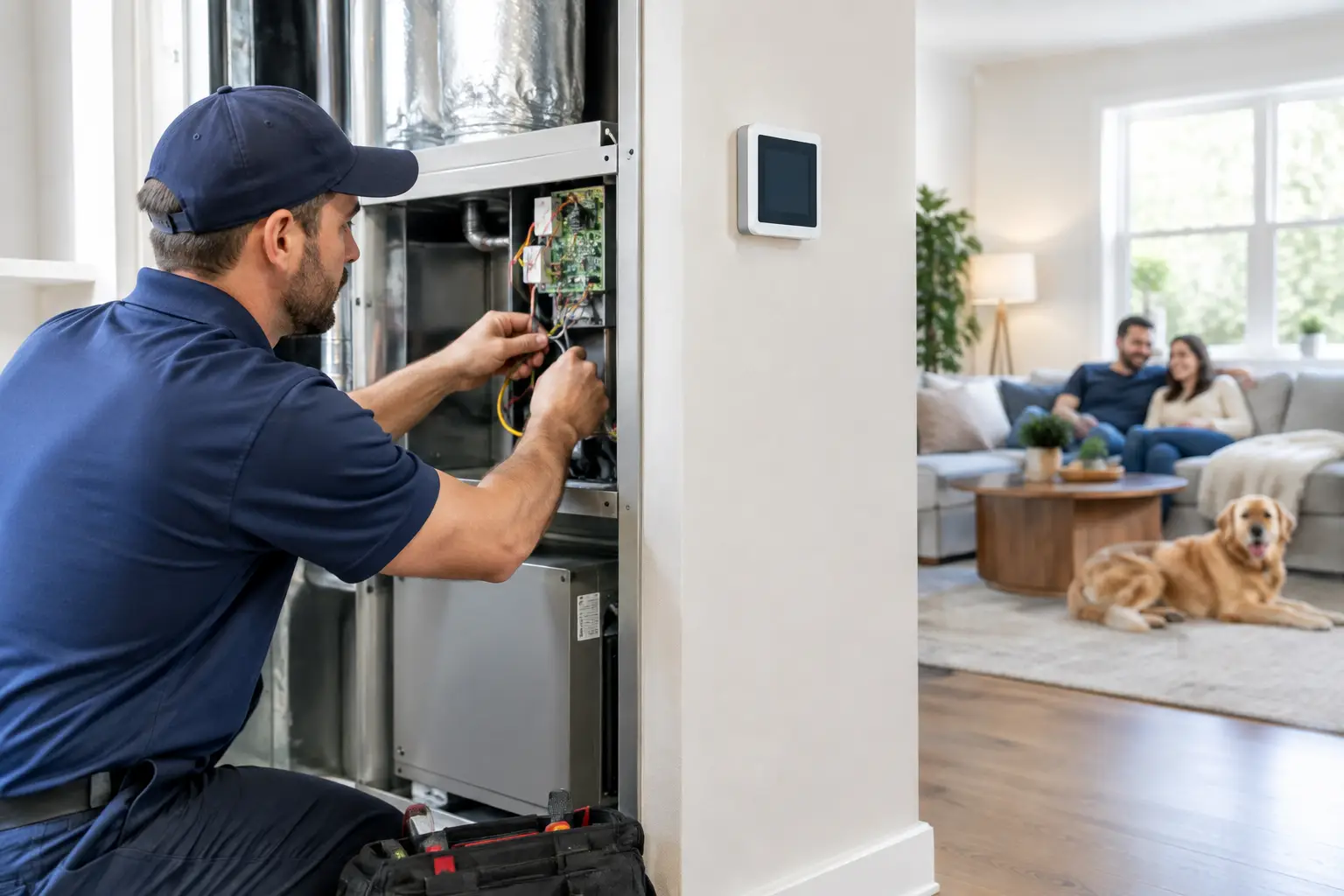
A bedroom that stays warm while the rest of the house feels fine. A sunny living room that turns muggy every afternoon. A bonus room nobody wants to use in July. These are the everyday comfort problems that make zoned HVAC system benefits worth a closer look. Instead of asking one thermostat to manage every room the same way, a zoned system gives different parts of your home more individual attention.
For families across Picayune and the Gulf Coast, that can make a noticeable difference. Our long cooling season, high humidity, changing household schedules, and larger open living areas can all make one-temperature-for-the-whole-house a frustrating arrangement. Zoning is not right for every home, but for the right layout and comfort concern, it can be a practical investment in better control.
What Is a Zoned HVAC System?
A traditional central HVAC system usually relies on one thermostat. When that thermostat calls for cooling or heat, the whole system responds, even if only one part of the house needs it.
A zoned system divides the home into separate comfort areas, or zones. Each zone has its own thermostat or sensor. In a ducted setup, professionally installed dampers inside the ductwork direct conditioned air where it is needed. The system then adjusts airflow based on the temperature settings in each area.
For example, the downstairs living area may be one zone, the upstairs bedrooms another, and a frequently used bonus room a third. Ductless mini split systems can also create zoning, since each indoor unit controls the temperature in its own room or area. The best approach depends on your home, existing equipment, ductwork, and budget.
Zoned HVAC System Benefits That Matter at Home
The biggest advantage of zoning is simple: your home does not have to feel like one giant room. Different spaces gain different amounts of sunlight, have different insulation levels, and serve different purposes. Zoning recognizes those differences instead of trying to overpower them with a single thermostat setting.
More consistent comfort from room to room
Upstairs rooms often run hotter because heat rises. Rooms with large windows can gain heat quickly, while shaded bedrooms may feel cool long before the rest of the home does. A zoned system lets you respond to those conditions without making everyone else uncomfortable.
This can be especially helpful in two-story homes, homes with additions, and homes where a converted garage, enclosed porch, or bonus room never seems to match the main living space. Rather than closing vents and hoping for the best, you have controls designed to manage airflow properly.
Less wasted heating and cooling
There is little reason to condition unused areas exactly like the rooms where your family spends most of its time. With zoning, you can ease back the temperature in an empty guest room, rarely used formal dining room, or unoccupied upstairs level while maintaining comfort in active spaces.
That does not mean a zoned system automatically cuts every energy bill in half. Savings depend on how the home is used, the condition of the system, insulation, thermostat settings, and whether occupants actually use the zones thoughtfully. Still, reducing unnecessary heating and cooling can help lower energy use over time.
Better control for different schedules
One family member may work from a home office during the day while children use bedrooms mainly at night. A landlord may want better comfort control between separately occupied areas. A small business may have offices, waiting rooms, and storage areas with very different needs.
Zoning lets each area follow its own schedule and preferred setting. This makes comfort less of a household negotiation. The people sleeping upstairs do not have to be too warm because someone downstairs wants the living room cooler.
A practical answer for hard-to-condition spaces
Some rooms challenge even well-maintained HVAC systems. They may be far from the indoor unit, located over a garage, exposed to direct afternoon sun, or connected to older ductwork that does not deliver enough airflow. Zoning may improve those spaces by prioritizing their temperature needs.
However, zoning is not a shortcut for every airflow problem. Leaky ducts, undersized equipment, blocked returns, poor attic insulation, or moisture issues may need to be corrected first. A qualified technician should identify the cause before recommending a zoning solution.
Greater comfort without constantly adjusting one thermostat
When one thermostat controls the whole house, homeowners often respond to a hot room by lowering the setting for everyone. That can lead to overcooling, more frequent system cycling, and rooms that feel chilly rather than comfortable.
With separate zones, you can make targeted adjustments. The main thermostat does not have to carry the burden of every room, which can make daily comfort easier to manage.
Is Your Home a Good Candidate for HVAC Zoning?
Homes with clear temperature differences are often strong candidates. Two-story layouts, large homes, additions, split-level homes, and properties with rooms that face different directions can all benefit. So can homes where family members regularly use different areas at different times of day.
Existing ductwork matters. Adding motorized dampers and controls to a central system can be an effective option, but the ducts must be evaluated carefully. A zoning design has to account for airflow and equipment capacity. Restricting too much airflow without the right controls can put strain on an HVAC system instead of helping it.
Sometimes a ductless mini split is the better choice. If you have one stubborn room, a new addition, a detached workspace, or an area without dependable duct access, a ductless unit can provide independent comfort without a major ductwork project. It is still zoning in a practical sense, but through separate equipment rather than dampers in a central system.
What Zoning Will Not Fix on Its Own
A zoned system works best when the HVAC foundation is healthy. Before investing, make sure the basic issues have been checked. Dirty filters, neglected maintenance, refrigerant problems, damaged ducts, inadequate return air, and aging equipment can all affect comfort.
Humidity also deserves attention along the Mississippi Gulf Coast. A room can feel uncomfortable even when the thermostat shows the target temperature if indoor humidity is too high. Proper equipment sizing, airflow, maintenance, and indoor air quality solutions may be part of the answer alongside zoning.
It also helps to set realistic expectations. A zone does not create instant temperature changes in every room, and it cannot overcome severe insulation or construction problems by itself. The goal is better control and more balanced comfort, not a magic fix.
What to Expect From a Professional Zoning Evaluation
A professional assessment should start with questions about your comfort concerns. Which rooms are too hot or too cold? What time of day does the problem happen? Is the issue seasonal? How old is your system, and when was the ductwork last inspected?
The technician should look at your equipment, duct layout, insulation conditions, thermostat locations, and airflow. From there, they can explain whether a ducted zoning system, ductless mini split, duct repairs, maintenance, or another solution makes the most sense. A clear recommendation should include the expected benefits, limitations, installation considerations, and pricing options.
At Campo Heating & Air, the goal is to help homeowners make a decision they can feel good about, not push a one-size-fits-all upgrade. If zoning fits your home, it should solve a real comfort problem and support long-term performance.
Comfort Is About More Than One Number on the Thermostat
A zoned HVAC system can give a busy household more control, help address uneven temperatures, and reduce the urge to run the entire home harder than necessary. But it works best when it is designed around your actual layout, equipment, and daily routine.
If certain rooms keep getting left out of your comfort plan, start by having the system and ductwork evaluated. The right solution may be zoning, ductless comfort, duct improvements, or a combination that finally makes every part of your home feel like home.
0 Comments