
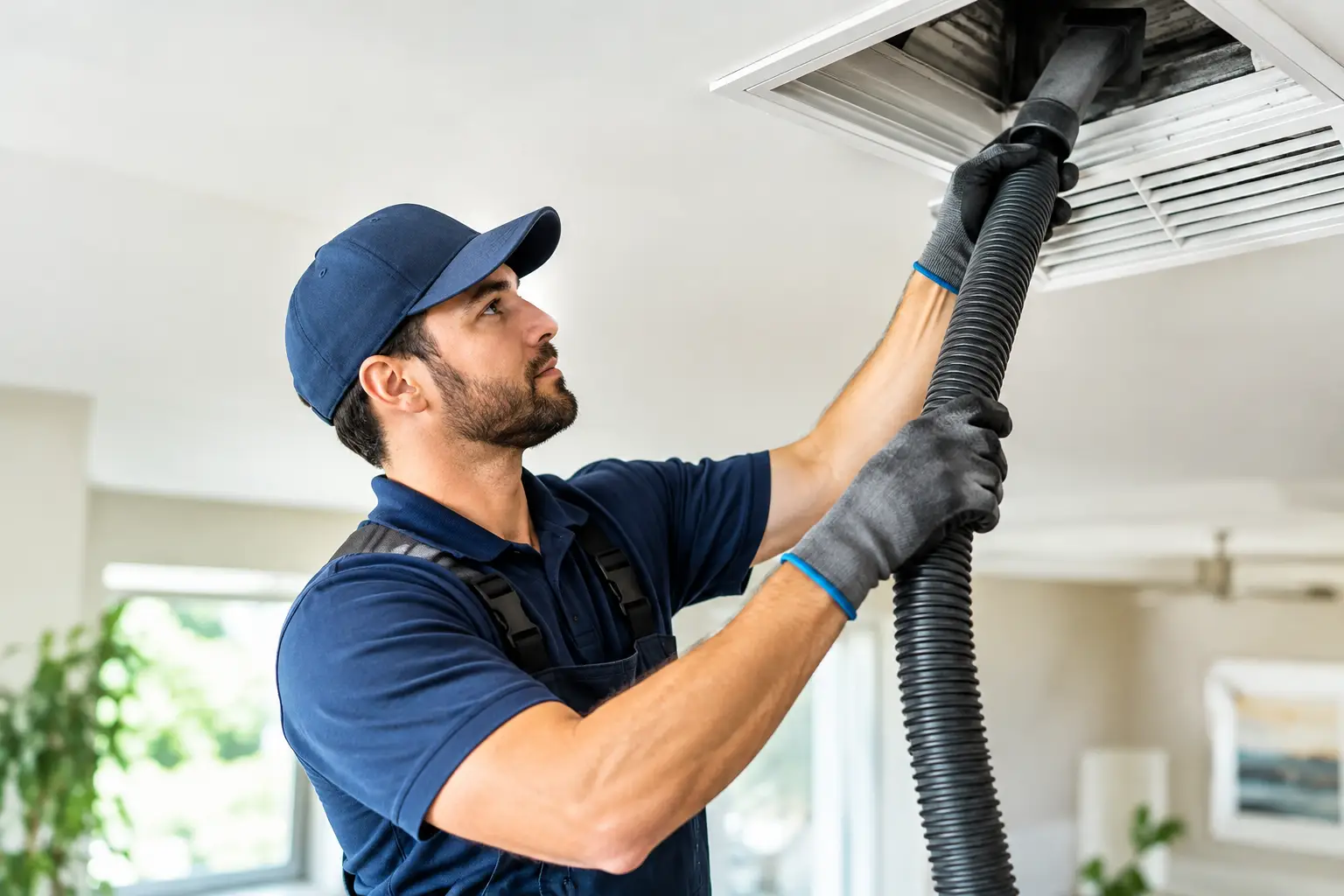
The air moving through your home has traveled through more than an AC filter. It passes through supply ducts, return vents, and equipment that can collect dust over time. A Slidell duct cleaning service can be a practical part of caring for your indoor air, especially after construction, a pest issue, water damage, or years of heavy HVAC use. But duct cleaning is not a cure-all for every comfort problem. Knowing when it is worthwhile helps you spend your money where it will make the biggest difference.
When a Slidell Duct Cleaning Service Makes Sense
Dust inside ductwork is common, particularly in South Louisiana, where air conditioning systems run hard through much of the year. Normal household dust alone does not always mean the ducts need immediate cleaning. Your filter is designed to capture much of what circulates through the system, and a little buildup in accessible vents is not necessarily a warning sign.
The conversation changes when there is a clear source of contamination or an ongoing air-quality concern. If you have recently completed remodeling work, moved into a previously occupied home, experienced a rodent or insect problem, or had a roof or plumbing leak near ductwork, cleaning may be a sensible next step. Renovation dust is especially fine and can settle throughout a home long after the project looks finished.
You may also want an inspection if you see visible debris blowing from vents, notice unusual dust returning shortly after cleaning, or find signs of moisture around registers. A persistent musty smell when the system starts deserves attention as well. The cause could be in the ducts, but it could also come from a clogged condensate drain, a dirty evaporator coil, insulation, or moisture elsewhere in the home. A dependable technician should investigate the source instead of automatically selling duct cleaning.
For families with allergies, asthma, or other respiratory sensitivities, cleaner ducts may support a fresher home environment when contamination is present. Still, the best results usually come from a complete indoor air approach: proper filtration, regular equipment maintenance, humidity control, and attention to moisture problems. Duct cleaning is one piece of the picture, not a replacement for those basics.
Signs Your HVAC System Needs Attention Too
A duct cleaning appointment is a good opportunity to look at the rest of your HVAC system. Your ducts and equipment work together, so airflow trouble is not always caused by dirt inside the ductwork.
If one room stays warmer than the others, the issue may be a disconnected duct, poor duct design, insufficient insulation, a blocked return, or an undersized system. Weak airflow can also come from a clogged filter, a failing blower component, or a dirty coil. Cleaning ducts may remove debris, but it will not repair damaged ductwork or correct an equipment problem.
Pay attention to changes in your home. Rising utility bills, longer cooling cycles, new rattling sounds, uneven temperatures, and frequent filter clogging are all worth discussing with an HVAC professional. Catching a small issue early can prevent an uncomfortable breakdown when the summer heat is at its worst.
For commercial properties, the stakes can be even higher. Dusty return grilles, employee comfort complaints, odors in a customer-facing space, or debris after tenant improvements can affect daily operations. A professional assessment can help property decision-makers determine whether duct cleaning, duct repair, maintenance, or a combination of services is the right investment.
What Professional Duct Cleaning Should Include
A proper cleaning is more than someone vacuuming near a few vents. The technician should inspect accessible portions of the system and explain what they found before work begins. You deserve a clear answer about whether cleaning is needed, what areas will be serviced, and what the price includes.
During service, technicians should protect the work area and use equipment designed to collect loosened debris rather than push it farther into the home. Supply ducts, return ducts, registers, grilles, and accessible components should be addressed based on the condition of your system. If the blower compartment or coil needs separate cleaning, that should be explained clearly because those components require careful handling.
Be cautious of bargain offers that promise to clean an entire system for an unusually low price without asking about the size of the home, the number of vents, or the condition of the ductwork. Some companies use low advertised prices to get in the door, then add pressure and unexpected charges. Honest service starts with straightforward expectations, not a surprise invoice.
A trustworthy provider will also avoid dramatic claims. Duct cleaning can remove accumulated debris and address certain contamination concerns, but no one can honestly promise it will solve every allergy symptom, eliminate every odor, or dramatically lower utility bills. The value depends on what is in your ducts and what is causing the problem in the first place.
Prepare Your Home for Better Results
A little preparation helps your appointment move smoothly. Make sure registers, returns, the indoor HVAC unit, and access points are easy to reach. Move fragile items away from vents and let the technician know about rooms with pets, allergies, recent water damage, or any areas where you have noticed odors or poor airflow.
It also helps to replace or check your HVAC filter before or shortly after service, depending on the technician’s recommendation. A clean filter protects the system after cleaning and supports stronger airflow. If your filter becomes dirty unusually fast, mention it. That detail may point to a return-air issue, construction dust, or a filtration setup that needs adjustment.
After the work is complete, ask what was found and whether any next steps are recommended. You may not need additional work at all. If the technician identifies damaged flexible duct, loose connections, insulation concerns, mold-like growth, or equipment buildup, ask for an explanation of the options and the urgency. Good advice should give you room to make an informed decision.
How Often Should Ducts Be Cleaned?
There is no single schedule that fits every home. Many households do not need annual duct cleaning. A better approach is to clean based on conditions: major renovations, visible buildup, pests, water intrusion, a move into an older home, or a documented air-quality concern.
Regular HVAC maintenance remains the more consistent habit. Seasonal service helps keep coils, drains, electrical components, and airflow in check before they become larger repairs. Replacing filters on schedule and keeping return vents clear can also reduce the amount of dust that enters the system.
For homeowners in Slidell, humidity deserves special attention. Moisture is the condition that turns an ordinary dust concern into a potential indoor air problem. If you see condensation, smell mildew, or suspect a leak, address the moisture source first. Cleaning without correcting the underlying issue can lead to the same problem coming back.
Campo Heating & Air approaches duct cleaning with the same customer-first mindset used for heating, cooling, and indoor air quality service: inspect the concern, explain the options clearly, and recommend work that fits the home rather than a one-size-fits-all package. Whether you need cleaning, duct repair, or a maintenance visit, you should feel confident about what is being done and why.
A cleaner, more comfortable home often starts with one honest assessment. If your vents are showing visible debris, your home has been through a renovation or water issue, or your system is not moving air the way it should, schedule a professional evaluation and get answers before a small concern becomes a larger comfort problem.
0 Comments