
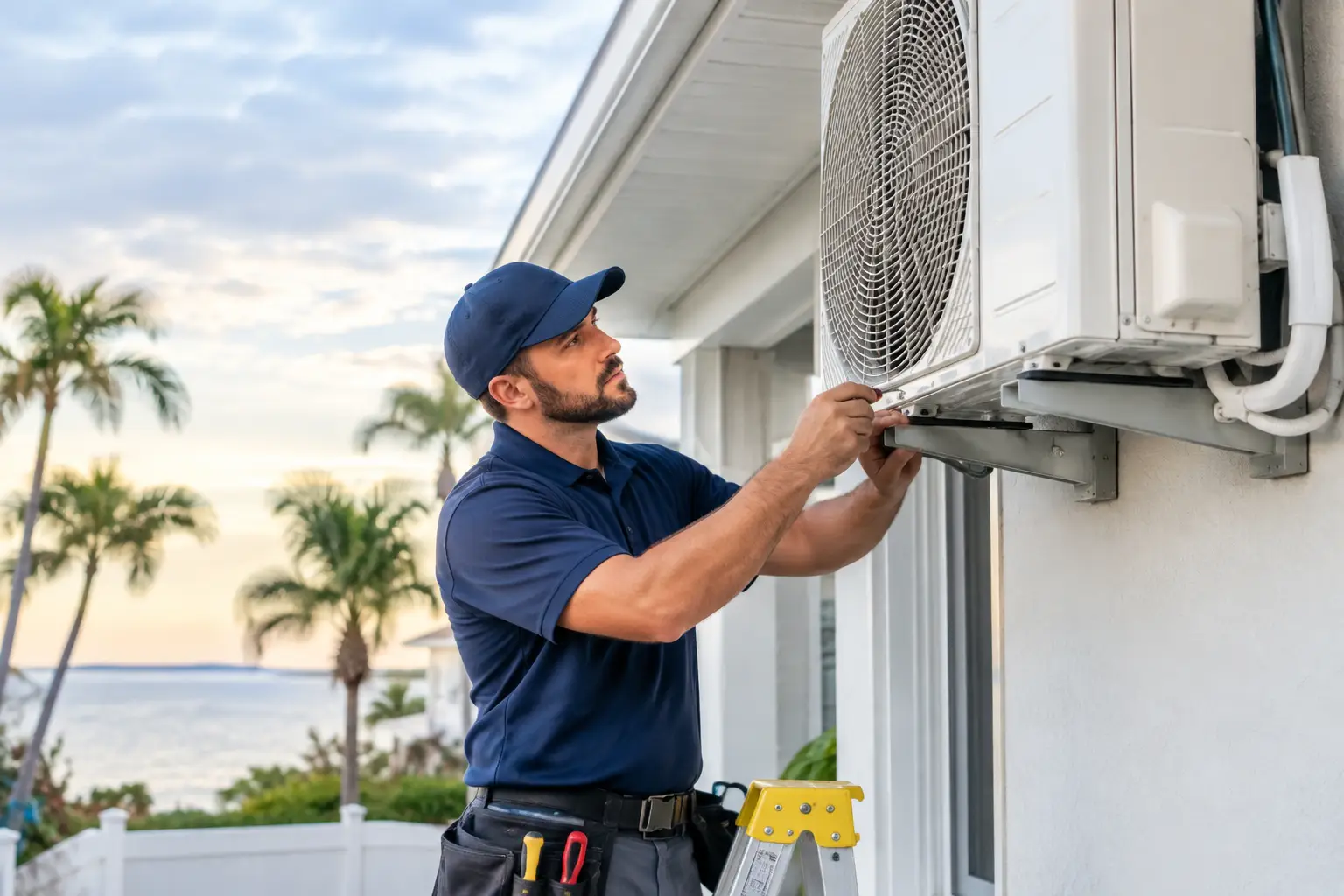
A cold, damp Gulf Coast morning can make a house feel colder than the thermostat says. If you are considering a ductless system, you may be asking: can mini splits heat homes well enough to replace or support traditional heating? For many homes in South Mississippi and Southern Louisiana, the answer is yes – provided the system is correctly sized, professionally installed, and matched to the home’s layout.
Mini splits are not just air conditioners with an extra setting. Most ductless mini split systems are heat pumps, meaning they can move heat into your home during winter and move heat out during summer. That makes them a practical year-round comfort option for many local homeowners.
Can Mini Splits Heat Homes Reliably?
A properly selected mini split can provide dependable heat during the mild-to-cool winters common in Picayune, Bay St. Louis, Slidell, and nearby communities. Rather than creating heat by burning fuel or using electric resistance strips as the primary source, a heat pump gathers available heat from the outdoor air and transfers it indoors.
Even when it feels cold outside, there is still heat energy in the air. The outdoor unit absorbs that energy, and the indoor unit distributes warm air into the room. This process is highly efficient in moderate temperatures, which is one reason ductless systems make sense in the Gulf South.
The answer becomes more conditional during an unusual hard freeze. A quality cold-climate mini split can continue heating at much lower temperatures than older heat pumps, but heating capacity and efficiency decline as outdoor temperatures fall. A technician can help determine whether a mini split should be your home’s primary heat source, a supplement for specific rooms, or part of a dual-heating plan.
Why Ductless Heating Works Well Locally
Our region has long cooling seasons and comparatively short heating seasons. Homeowners need strong air conditioning most of the year, but they also need reliable warmth when a wet cold front comes through. A ductless heat pump handles both jobs in one system.
Because mini splits do not rely on ductwork, they avoid some common sources of comfort problems. Leaky, poorly insulated, undersized, or poorly designed ducts can waste conditioned air before it reaches the rooms where you need it. A wall-mounted indoor unit delivers heated or cooled air directly into its zone.
That direct delivery can be especially helpful in older homes, room additions, garages converted to living space, sunrooms, workshops, and detached guest spaces. Installing new ductwork in those areas may be disruptive or expensive. A single-zone mini split often provides a cleaner path to year-round comfort.
The Benefits of Heating With a Mini Split
The biggest advantage is efficient comfort. Since a heat pump transfers heat instead of generating all of it through electric resistance heating, it can use less electricity in the right conditions. Actual savings depend on your current system, electric rates, insulation, thermostat habits, and how the mini split is used.
Mini splits also give you room-by-room control. A multi-zone system can connect several indoor units to one outdoor unit, allowing family members to set different temperatures in different areas. You do not have to heat an unused bedroom to the same temperature as the living room.
They are typically quiet, too. The noisier components stay outside, while indoor air handlers are designed to operate gently in the background. For bedrooms, home offices, and nurseries, that can be a meaningful comfort upgrade.
A mini split can also improve comfort where a central system struggles. If one side of the house is always chilly in winter or hot in summer, a ductless unit may help balance that space without requiring a full replacement of the existing HVAC system.
When a Mini Split May Need Backup Heat
Mini splits are capable systems, but they are not a one-size-fits-all answer. During severe cold snaps, some homes may need supplemental heat. This is more likely if the home has poor insulation, significant air leaks, high ceilings, older windows, or a large open floor plan.
A mini split also has to go through a defrost cycle from time to time in cold, damp weather. Frost can build on the outdoor coil, and the system briefly reverses operation to clear it. During that short period, the indoor unit may pause heating. This is normal, but it is another reason proper system selection matters.
For a home with an existing furnace, many homeowners choose a hybrid approach. The mini split can efficiently handle everyday heating and cooling in targeted areas, while the furnace remains available for extreme weather or whole-home backup. Others use multiple properly placed indoor units as their main heating system. The right choice depends on the home, not a sales pitch.
Sizing Matters More Than the Sticker Price
A mini split that is too small may run constantly and still leave rooms uncomfortable. One that is too large may cycle on and off too often, manage humidity poorly, and create uneven temperatures. Bigger is not automatically better.
Before recommending equipment, a qualified HVAC professional should consider the home’s square footage, ceiling height, insulation levels, window exposure, room use, local climate, and existing airflow issues. The placement of each indoor unit matters just as much as the system’s capacity.
For example, one high-wall unit may heat an open living area effectively but may not push enough warm air around corners, through closed doors, or into distant bedrooms. In that case, a multi-zone design or a combination of ductless and central equipment may produce better results.
Professional installation also protects performance. Refrigerant lines, electrical connections, condensate drainage, mounting, and startup settings all need to be handled correctly. A system can look fine on the wall and still underperform if it was installed without proper planning.
Getting the Most From Your Ductless Heat
Once installed, steady operation usually works better than turning the unit far down and asking it to rapidly recover later. Set a comfortable temperature and let the system maintain it. Constantly switching modes or making major temperature changes can reduce comfort and may use more energy.
Keep the indoor filters clean according to the manufacturer’s instructions. Dust buildup restricts airflow and can reduce heating and cooling performance. Keep the outdoor unit clear of leaves, grass clippings, and other debris so it can move air freely.
Annual professional maintenance is also worthwhile. A technician can inspect electrical components, refrigerant performance, coils, drainage, and overall operation before a small issue turns into a no-heat call on a cold night. If your mini split stops heating, blows cool air for an extended period, makes unusual noises, or shows an error code, schedule service rather than guessing at the cause.
Is a Mini Split Right for Your Home?
A ductless mini split may be an excellent fit if you are adding a room, replacing inefficient window units, dealing with a hot or cold spot, renovating an older home, or looking for a more efficient way to heat and cool selected areas. It may also be a smart whole-home solution when a professional design shows that the equipment and indoor-unit placement can cover the space properly.
Homeowners should be cautious about treating online square-footage charts as a final answer. Those charts cannot see your insulation, sun exposure, floor plan, duct condition, or the draft around an older exterior door. A comfort assessment provides a much clearer recommendation and helps avoid paying for the wrong system.
At Campo Heating & Air, we believe comfort should be built around how your family actually uses the home. Whether you need help with a single difficult room or are considering ductless heating for the whole house, a clear evaluation can give you the confidence to choose a solution that keeps you comfortable through every season.
0 Comments