
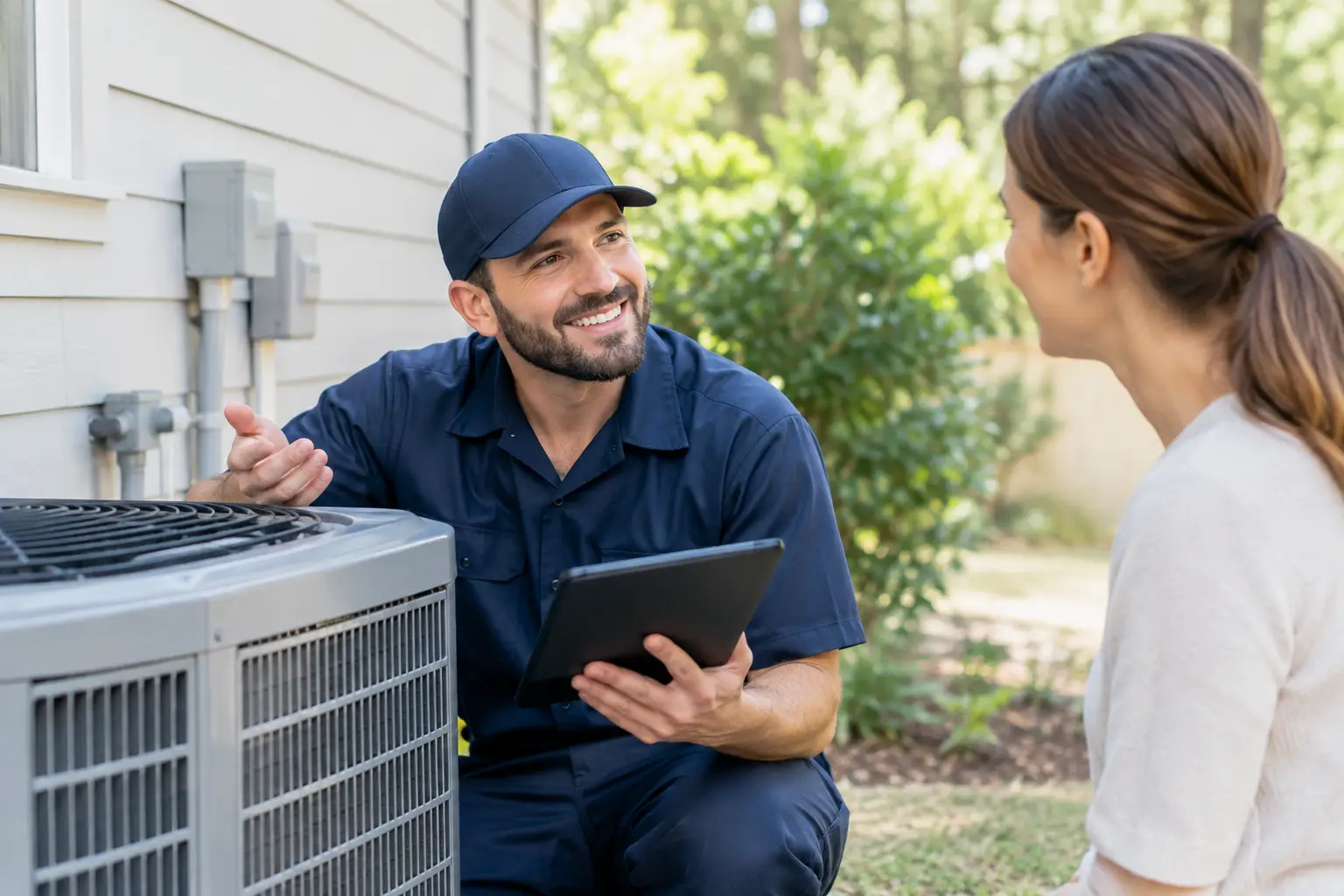
A failed air conditioner in a Mississippi summer or a heating system that quits on a cold night rarely arrives at a convenient time. Learning how to finance HVAC replacement can turn a stressful, urgent decision into a manageable plan – without settling for the cheapest system or draining the savings you need for everything else.
A new HVAC system is a major home investment, but it is also the equipment that keeps your family comfortable, protects indoor air quality, and helps control monthly utility costs. The right financing approach depends on your budget, credit profile, timeline, and the condition of your current equipment. The goal is not simply to find a payment. It is to choose a payment plan that makes sense long after installation day.
Start With the Full Replacement Cost
Before comparing payment options, ask for a clear, written estimate that explains what is included. HVAC replacement costs can vary based on system size, efficiency rating, ductwork condition, installation access, electrical updates, thermostat upgrades, and whether you need a heat pump, central air system, furnace, or ductless mini split.
A lower quote is not always the lower long-term cost. An improperly sized system can short-cycle, struggle to remove humidity, and wear out sooner. A quality installation from trained technicians should include an assessment of your home or building, not just a quick equipment swap.
Ask whether the estimate includes labor, permits, disposal of the old equipment, warranty information, and any required repairs. Knowing the complete number helps you decide how much to pay upfront and how much to finance. It also prevents surprise charges from disrupting your plan later.
How to Finance HVAC Replacement: Your Main Options
There is no single best way to finance a new HVAC system. A homeowner with strong savings may make a different choice than a family facing an unexpected breakdown. Consider the total cost of borrowing, the monthly payment, and how quickly you can realistically repay the balance.
HVAC Company Financing
Many HVAC companies offer financing through lending partners. This is often the most direct option because you can apply while planning your replacement, review available terms, and coordinate financing with installation.
Some plans may offer promotional periods, fixed monthly payments, or options designed for a range of credit situations. Read the agreement carefully. A low promotional payment may become costly if deferred interest applies and the balance is not paid in full by the deadline. Ask about the annual percentage rate, late fees, repayment term, and whether there is a prepayment penalty.
For homeowners who need a replacement quickly, contractor financing can be especially useful. It lets you select an efficient system that fits your home instead of delaying necessary work through another hot or cold season.
Personal Loans
A personal loan from a bank, credit union, or online lender can provide a fixed amount of money with predictable monthly payments. If you qualify for a competitive interest rate, this can be a straightforward way to cover an HVAC installation.
Personal loans are worth comparing with contractor financing, but do not choose based on the monthly payment alone. A longer term can lower the payment while increasing the total interest paid. Check whether the lender charges an origination fee and whether your rate is fixed or variable.
Home Equity Loans or Lines of Credit
If you have substantial equity in your home, a home equity loan or home equity line of credit may offer a lower interest rate than unsecured borrowing. A home equity loan generally gives you a lump sum with fixed payments, while a line of credit can be more flexible if your project includes duct repairs or other improvements.
The trade-off is time and risk. These options often take longer to arrange, and your home serves as collateral. They may make sense for a planned replacement or a broader home improvement project, but they are not always practical when the AC has already stopped working.
Credit Cards
A credit card can work for a smaller gap in funding, particularly if you have access to a genuine low- or zero-interest introductory offer and a clear plan to pay the balance before that rate expires. It is usually a poor choice for carrying a large HVAC balance at a standard credit card rate.
Use this route cautiously. High interest can turn a necessary system replacement into a much more expensive purchase.
Savings and a Partial Down Payment
Paying some of the cost from savings and financing the rest can reduce the amount you borrow while preserving an emergency cushion. This is often a sensible middle ground. Avoid emptying every available account if it would leave you unable to handle a car repair, medical bill, or other unexpected expense.
Look Beyond the Monthly Payment
A payment that fits this month can still be the wrong deal if the loan extends too long or carries a high interest rate. Before signing, compare the total amount you will repay, not only the advertised payment.
For example, a 10-year term may look comfortable on paper, but HVAC equipment may need repairs or upgrades before the loan is fully paid. A shorter term costs more each month but may save significant interest. The right balance depends on what your household can afford reliably.
Also consider the operating cost of the system you choose. A more efficient unit may cost more upfront, yet lower energy use over time. In the humid Gulf Coast climate, proper sizing and dependable humidity control matter just as much as a high efficiency number on a brochure.
Ask These Questions Before You Apply
Financing should be clear, not confusing. Before choosing a lender or payment plan, get direct answers about the rate, term, payment schedule, total amount financed, and what happens if you pay early or pay late.
You should also ask whether there is a down payment, whether the offer is subject to credit approval, and whether a promotional rate can change. If financing is offered for different credit types, ask which plans are available to you rather than assuming the first option is your only option.
Finally, confirm when your first payment is due. If you are replacing equipment during an emergency, it is easy to focus only on getting cool air or heat restored. A few extra minutes spent reviewing the terms can protect your budget for years.
Reduce the Amount You Need to Finance
Financing does not have to cover every dollar of the project. Start by asking whether your utility provider offers rebates for qualifying high-efficiency equipment. Manufacturer promotions may also be available at certain times of year. Eligibility, availability, and deadlines can change, so treat these savings as a possibility until they are confirmed in writing.
Regular maintenance can help protect your investment after installation. Changing filters, keeping outdoor equipment clear of debris, and scheduling seasonal service can reduce avoidable strain on your new system. Maintenance cannot prevent every repair, but it can help your equipment run more efficiently and may catch small concerns before they become expensive ones.
If your existing system is still operating but becoming unreliable, planning ahead gives you more options. You can compare equipment, build a down payment, and apply for financing before an emergency forces a rushed decision.
Choose a Replacement Partner, Not Just a Payment Plan
The financing process should support a good HVAC decision, not distract from it. A trustworthy contractor will explain your options, provide straightforward pricing, and help you understand what your home actually needs. Be wary of pressure to buy the largest system, the longest loan, or an offer you do not fully understand.
For homeowners in Picayune and nearby communities, Campo Heating & Air can help make replacement decisions less overwhelming with professional guidance, financing options for qualifying customers, and service centered on long-term comfort. Whether the problem is sudden or your system has been showing its age for months, a clear estimate and an honest conversation are a practical first step.
Comfort should not have to wait for the perfect moment in your budget. When a replacement is necessary, choose financing terms you understand, equipment that fits your property, and service you can count on after the installation is complete.
0 Comments