
A refrigerant leak used to sound like a straightforward repair: find the leak, recharge the system, and get cool air moving again. Refrigerant regulations have made the decision more involved, especially for homeowners with older equipment. The good news is that a change in refrigerant rules does not mean you need to replace a working AC system tomorrow. It does mean the right repair depends on your system’s age, refrigerant type, condition, and the cost of keeping it running.
For families and property owners along the Mississippi Gulf Coast and Southern Louisiana, dependable cooling is not optional. Knowing what these regulations mean can help you make a calm, informed choice when your system needs service.
What Refrigerant Regulations Are Changing
Federal rules are steadily moving air conditioning equipment away from refrigerants with a higher global warming potential. This transition affects the refrigerants used in new HVAC equipment, how refrigerants are handled, and eventually the availability and price of refrigerant for older systems.
Many homes built or equipped over the last couple of decades use R-410A. It replaced R-22, an older refrigerant whose production and import for new use ended in 2020. R-22 can still be recovered, reclaimed, and used to service existing equipment, but it is often expensive and its supply is limited.
Newer residential AC systems and heat pumps are increasingly designed for lower-global-warming-potential refrigerants, including R-454B and, in some types of equipment, R-32. These refrigerants are part of the industry’s long-term shift to newer equipment standards.
That transition can sound alarming, but it is not a mandate to remove every older unit from a home or business. A properly operating system can generally continue to be repaired and maintained with the refrigerant it was designed to use, as long as that refrigerant is available.
What Refrigerant Regulations Mean for Repairs
The biggest practical change for most homeowners is not a new rule at the thermostat. It is the repair conversation that happens when an older system loses refrigerant.
Refrigerant does not get used up like gasoline. If an AC system is low, it usually has a leak. Simply adding refrigerant without identifying the cause may restore cooling for a while, but it can leave you facing another service call, more refrigerant expense, and possible damage to the compressor.
A qualified technician should inspect the system, identify the likely leak source, explain the repair options, and discuss whether recharging the unit makes financial sense. For a relatively new R-410A system with a repairable leak, repairing the leak and recharging the system is often a sensible option. For an aging R-22 system with a major coil leak or compressor problem, putting a large amount of money into repairs may not provide the value your family needs.
The decision depends on more than refrigerant alone. Consider the system’s age, repair history, efficiency, condition of the indoor and outdoor coils, and how long you plan to stay in the home. A trustworthy HVAC professional should explain the trade-offs clearly instead of pushing a replacement before you understand your options.
You Cannot Swap Refrigerants Like a Refill
One common misunderstanding is that a technician can put a newer refrigerant into any older AC unit. HVAC systems are engineered around a specific refrigerant, oil, operating pressure, metering device, and safety requirements. R-22, R-410A, R-454B, and R-32 are not interchangeable.
Using the wrong refrigerant can reduce performance, damage components, create safety concerns, and void manufacturer coverage. “Drop-in replacement” claims should be treated carefully. While some alternatives have been used in certain legacy situations, they are not a universal fix and may involve performance or compatibility compromises.
If your system needs refrigerant, ask what refrigerant the equipment was designed to use and whether the proposed repair follows manufacturer specifications. That is a fair question, and you deserve a direct answer.
New Equipment Is Changing, Too
If replacement is the better long-term choice, you may notice newer refrigerant names on proposals and equipment labels. This is expected. Manufacturers are introducing systems designed specifically for lower-GWP refrigerants as federal standards take effect.
These new systems are not simply older models with a different refrigerant added. They may have updated components, installation requirements, and safety features. Some newer refrigerants are classified as mildly flammable, which is why proper equipment design, correct installation, and trained technicians matter.
For homeowners, the priority is simple: choose a properly sized, professionally installed system that is designed as a complete matched system. The outdoor unit, indoor coil or air handler, and controls need to work together. Mixing unmatched components to save money upfront can create comfort problems, reduce efficiency, or complicate future repairs.
There may also be a transition period when some distributors carry equipment using different refrigerants. Availability can vary by model and season. If you are comparing replacement options, ask which refrigerant the new system uses, what warranty coverage applies, and whether the estimate includes every component needed for a proper installation.
Why Certified Handling Matters
Federal law requires proper refrigerant handling. Technicians who service systems containing regulated refrigerants need appropriate EPA certification, and refrigerant must be recovered rather than intentionally released into the air.
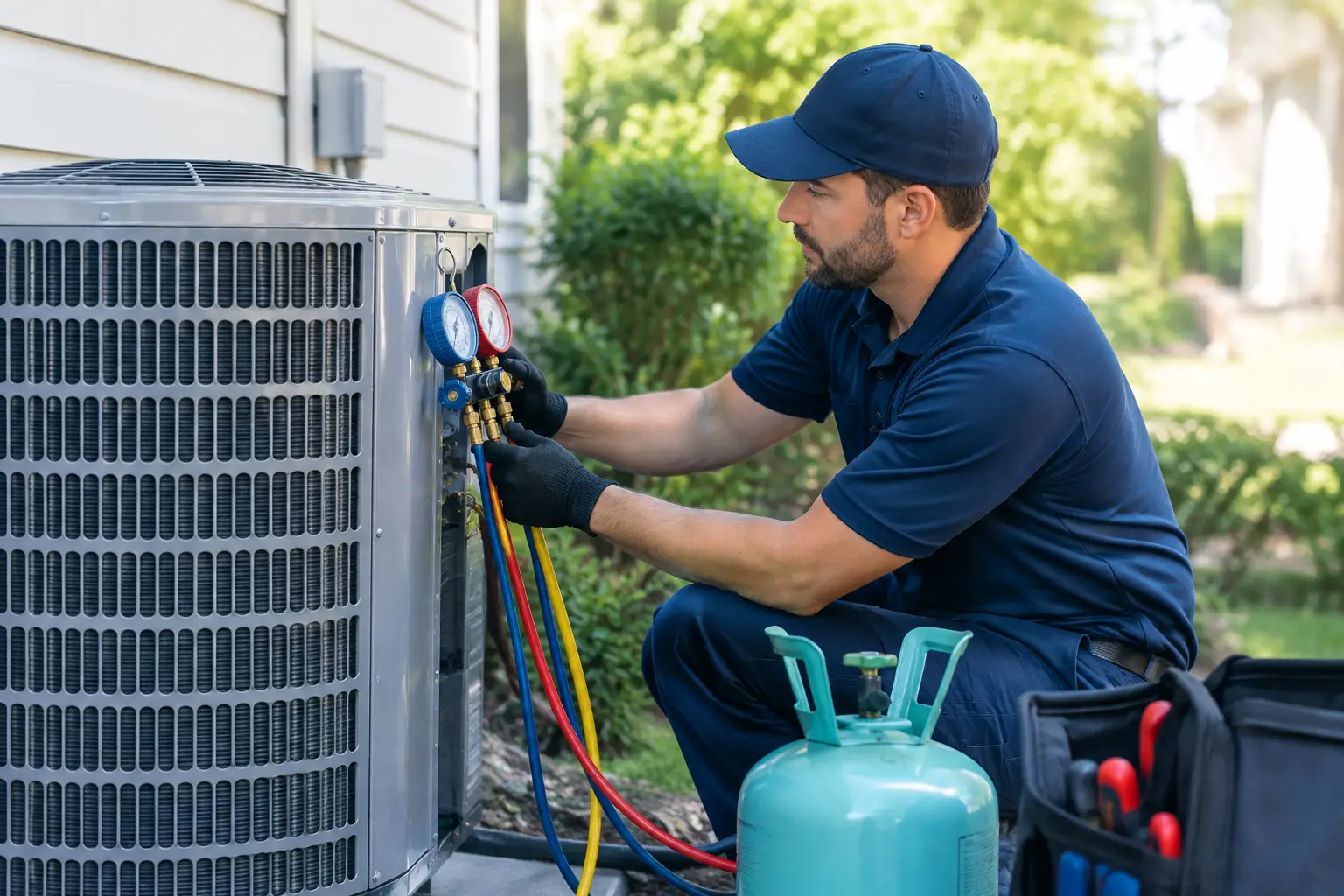
This is one reason a refrigerant issue is not a good do-it-yourself project. The work requires specialized recovery equipment, gauges, leak-detection tools, and training. More importantly, the technician needs to understand what the readings mean. Low cooling performance can come from a refrigerant leak, but it can also be caused by airflow restrictions, dirty coils, duct problems, electrical faults, or a failing blower.
A careful diagnosis protects your budget. Adding refrigerant when the real issue is poor airflow will not solve the underlying problem. It may only delay it until the hottest week of the year.
How to Protect Your System and Your Budget
The best way to reduce refrigerant-related surprises is to maintain the system before it has a chance to fail under peak demand. In our hot, humid climate, AC equipment works hard for much of the year. Dirty filters, clogged drain lines, restricted coils, and neglected electrical components can all make a system run longer and wear out faster.
Keep filters changed on schedule, keep the outdoor unit clear of leaves and debris, and schedule professional maintenance before heavy cooling season. During a maintenance visit, a technician can check operating pressures, inspect electrical connections, clean critical components, and look for warning signs before a small issue turns into a no-cooling emergency.
If you have an older R-22 system, it is especially wise to plan ahead rather than wait for a major failure. That does not mean replacing it immediately. It means understanding its condition, expected repair risks, and replacement options while you have time to make a thoughtful decision.
For rental properties and small businesses, planning is equally valuable. A sudden system failure can disrupt tenants, customers, employees, and inventory. Keeping service records and having equipment evaluated before peak season helps property decision-makers budget for repairs or replacement instead of reacting under pressure.
Questions to Ask When Your AC Needs Refrigerant
When a technician says your system is low on refrigerant, start with a few practical questions. Ask where the leak is likely located, whether it can be repaired, how much refrigerant is needed, and whether the quoted repair is a good investment for your equipment’s age.
If replacement is discussed, ask what refrigerant the new system uses, whether the quoted components are properly matched, and what labor and manufacturer warranty protections are included. You should also ask whether financing is available if a replacement is the safer choice for your household budget.
The right answer is not always repair, and it is not always replacement. A dependable HVAC company will give you the information to choose what makes sense for your comfort, timeline, and finances.
When your AC is struggling, do not let unfamiliar refrigerant rules add more stress to an already frustrating problem. A professional evaluation can turn a confusing repair decision into a clear plan, so your home or business can stay comfortable through the next stretch of Gulf Coast heat.
0 Comments