
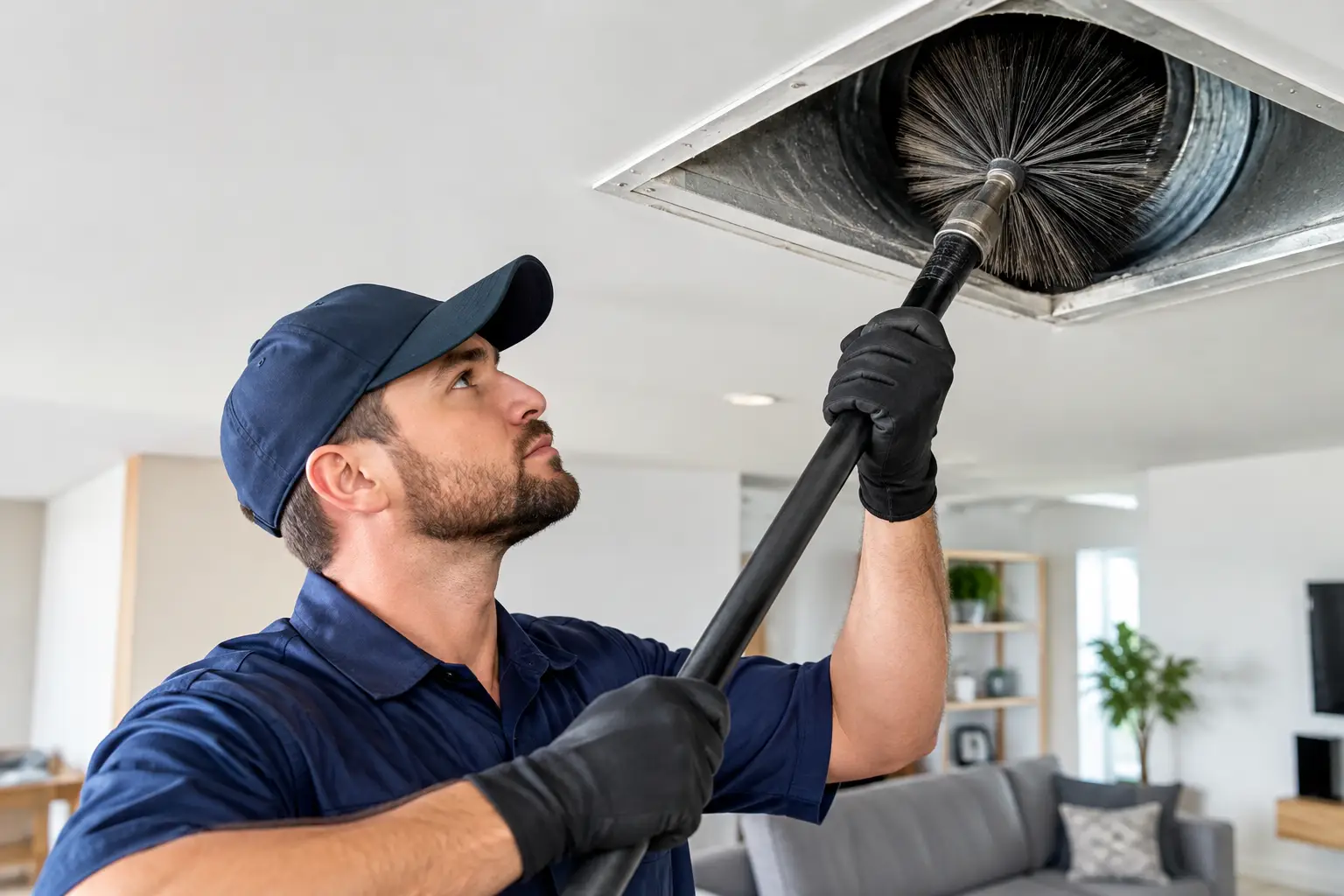
A dusty vent cover after a busy summer is one thing. Dust blowing into the room, a musty smell when the AC starts, or debris left behind after a renovation is another. If you are asking, “when should ducts be cleaned?” the answer is usually based on what is happening inside your home, not a calendar reminder alone.
For many homes, duct cleaning is not an annual necessity. But certain conditions make a professional cleaning worthwhile for comfort, system performance, and peace of mind. Along the Mississippi Gulf Coast and in Southern Louisiana, humidity, long cooling seasons, pollen, and storm-related moisture can make those conditions more common.
When Should Ducts Be Cleaned?
The right time to clean ductwork is when there is a clear reason to believe dust, debris, moisture, or contaminants have built up in the system. A qualified HVAC technician can inspect the ducts and help separate a real cleaning need from a problem that calls for a repair, better filtration, or maintenance instead.
A practical rule is to consider duct cleaning after a major indoor event, when you see or smell evidence of contamination, or when household health concerns line up with visible duct issues. Cleaning may also make sense every few years for homes with pets, heavy indoor dust, frequent allergies, or occupants who smoke indoors, but it should not be sold as a one-size-fits-all service.
You Can See Dust or Debris Coming From Vents
A thin layer of dust around supply registers is normal. Your HVAC system moves air all day, and dust settles where air enters and exits. The concern starts when you see clumps of debris, excessive dust shortly after cleaning, or particles blowing out when the system turns on.
Before assuming the ducts are the only cause, check the air filter. A clogged, low-quality, or incorrectly fitted filter allows more dust to circulate and can restrict airflow. If the filter is in good condition and the problem continues, an inspection of the ductwork is the next sensible step.
There Is a Musty, Burnt, or Unusual Odor
Your home should not smell stale every time the air conditioner or heater starts. Musty odors can point to moisture around the indoor equipment, dirty components, or possible microbial growth. A burnt smell may come from dust on heating components at the start of the season, but a persistent electrical or burning odor needs prompt professional attention.
Duct cleaning can remove settled debris that contributes to odors, but it cannot solve an active moisture problem. If there is a leak, poor drainage, damaged insulation, or mold growth, the source must be corrected first. Otherwise, the odor and contamination can return.
You Have Had Water Damage, Moisture, or Mold Concerns
Water and ductwork do not mix well. After a roof leak, flood, plumbing issue, or prolonged humidity problem, ducts should be inspected for moisture damage. This matters especially when flexible ductwork or insulation has been wet, since those materials may not always be appropriate to clean and reuse.
Visible mold around vents does not automatically mean mold is throughout the entire duct system. It can also form at a register because cool air meets humid indoor air. A trained technician can determine whether the issue is condensation, surface dirt, a drainage problem, or a larger indoor air quality concern. Do not rely on air fresheners to cover it up.
You Recently Finished Remodeling or Construction
Drywall dust, sawdust, insulation fibers, and other construction debris have a way of finding every open pathway in a home. Even with careful containment, renovation work can leave fine particles in return vents and duct runs, particularly if the HVAC system operated during the project.
A post-construction duct cleaning is often a good investment when work involved drywall, flooring removal, demolition, or extensive sanding. It is also smart to replace the HVAC filter after the project and have the indoor unit checked. Protecting the equipment can help prevent unnecessary wear on motors, coils, and other components.
Pests Have Been in the Ducts
Rodents, insects, and other pests can leave droppings, nesting material, odors, and damaged insulation behind. This is not a wait-and-see situation. The pests need to be removed and entry points sealed before the ducts are cleaned, or the problem may return quickly.
A professional duct inspection can identify damaged sections, disconnected ducts, or gaps that allow pests into the system. In some cases, cleaning is only part of the solution. Duct repair or replacement may be needed to restore safe, efficient airflow.
Allergies or Respiratory Symptoms Feel Worse at Home
Duct cleaning is not a cure for allergies, asthma, or respiratory illness. Still, it may help reduce dust and debris in a home where occupants are sensitive to airborne particles, especially when there is evidence of buildup in the system.
If symptoms seem worse when the HVAC runs, start with the basics: use the right filter for your system, change it regularly, control indoor humidity, clean registers, and schedule HVAC maintenance. If those steps do not help, an inspection can show whether the ducts, evaporator coil, blower area, or another part of the system needs attention.
Signs That Point to a Different HVAC Problem
Not every comfort complaint means your ducts need cleaning. Weak airflow in one room may be caused by a crushed duct, a closed damper, a failing blower, or an undersized return. Hot and cold spots may point to duct leaks, poor insulation, thermostat issues, or an aging system.
Likewise, high energy bills are more often tied to inefficient equipment, duct leaks, dirty coils, or maintenance neglect than to ordinary dust inside the ducts. Cleaning can be helpful when buildup is significant, but it should not be used as a shortcut for diagnosing a mechanical problem.
This is why an honest inspection matters. A dependable HVAC company should explain what it sees, show you the concern when possible, and recommend only the work that fits the condition of your home.
What Professional Duct Cleaning Should Include
A proper cleaning is more than placing a vacuum hose near a vent. The technician should inspect accessible supply and return ducts, registers, grilles, and key HVAC components. Specialized equipment is used to loosen and collect debris while limiting the chance of sending it back into your living space.
The job may also include cleaning accessible blower components, the return area, and other parts of the air-handling system when appropriate. Your technician should protect floors and furnishings, explain any damaged duct sections found during the process, and recommend a new air filter afterward.
Be cautious with unusually cheap offers that promise to clean every vent in a large home for one low price. Those offers can lead to aggressive upselling or incomplete work. Ask what areas are included, whether the company inspects the system first, and whether it is equipped to address duct damage or moisture issues if discovered.
How to Keep Ducts Cleaner Between Visits
The best way to extend the value of a duct cleaning is to reduce what enters the system in the first place. Change filters on schedule, using a filter type your HVAC system can handle without restricting airflow. Keep supply and return vents clear of furniture and vacuum registers regularly.
For homes in humid coastal areas, keeping indoor humidity under control is just as important. Moisture can encourage odors and biological growth around HVAC components. Regular maintenance gives a technician a chance to inspect drainage, coils, airflow, and duct connections before a small issue affects your whole home.
If your vents are producing visible debris, your home has had water damage or remodeling work, or an odor appears whenever the system starts, it is worth getting clear answers. Campo Heating & Air can inspect the situation and help you choose the right next step, whether that is duct cleaning, repair, maintenance, or a simple filter upgrade. A clean, well-cared-for HVAC system should support the comfort you count on every day.
0 Comments