
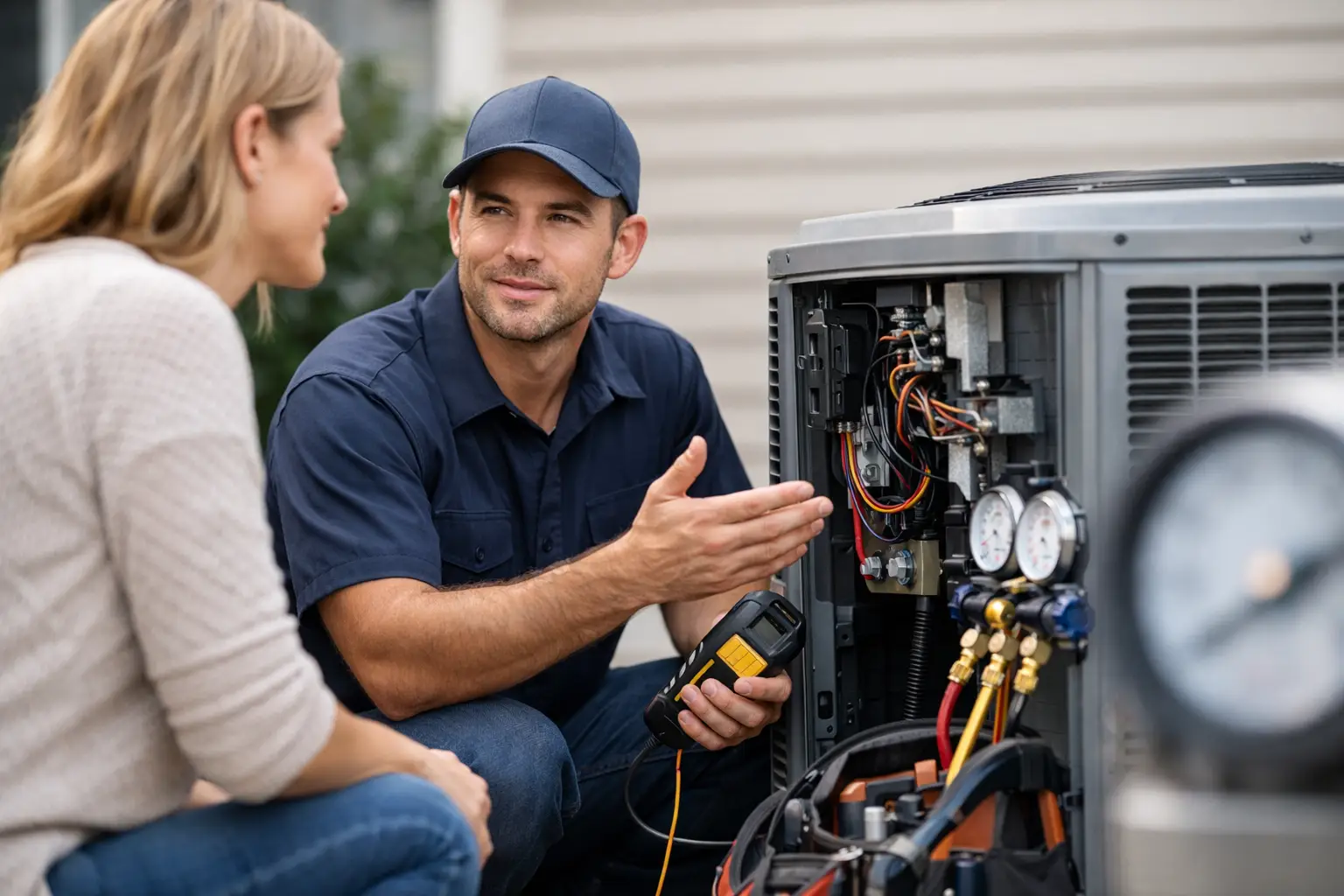
When your air conditioner starts, runs for a few minutes, shuts off, then starts again soon after, it is not just being annoying. In the heat and humidity common around Picayune and the Gulf Coast, this pattern can leave your home feeling sticky, drive up utility costs, and put real strain on expensive equipment. So, why does AC short cycle? The answer can range from a simple dirty filter to a repair that needs prompt professional attention.
What AC Short Cycling Means
A normal air conditioning cycle often runs long enough to lower the temperature gradually and remove humidity from the air. The exact runtime depends on outdoor conditions, your thermostat setting, insulation, and the size of your system, but most systems should not be switching on and off every few minutes.
Short cycling occurs when the AC turns off before it completes a proper cooling cycle, then restarts too soon. You may hear the outdoor unit start repeatedly, notice uneven temperatures between rooms, or find that the system seems busy without making the house comfortable. Repeated starts use more electricity than a steady, properly timed cycle. They also place extra wear on the compressor, which is one of the most costly parts of an AC system to replace.
Why Does AC Short Cycle? Common Causes
A Dirty Air Filter or Airflow Restriction
Restricted airflow is one of the most common and most fixable reasons for short cycling. A clogged filter makes it harder for your system to pull warm indoor air across the evaporator coil. That can cause the coil to get too cold and freeze, or it can make the system overheat and trip a safety control.
Before assuming the worst, check the filter. If it looks gray, packed with dust, or has not been changed in the last one to three months, replace it with the correct size and type. Closed supply vents, blocked return vents, crushed ductwork, and a dirty indoor coil can create similar airflow trouble. A new filter helps, but it will not solve a deeper duct or coil issue by itself.
A Thermostat Problem or Poor Thermostat Location
Your thermostat decides when the system turns on and off. If it is reading temperatures inaccurately, has weak batteries, loose wiring, or a programming issue, it can send the wrong signals to the AC.
Location matters, too. A thermostat placed near a sunny window, kitchen, lamp, supply vent, or exterior door can sense temperatures that do not represent the rest of the home. It may shut the system off because that small area cools quickly, while bedrooms and living spaces remain warm. Smart thermostat settings can also cause confusion when schedules, occupancy modes, or temperature ranges conflict.
Refrigerant Is Low or There Is a Leak
Refrigerant is not fuel that an air conditioner normally uses up. If the level is low, there is usually a leak that needs to be found and repaired. Low refrigerant can lower system pressure, freeze the evaporator coil, and cause the AC to shut down on a safety switch or operate unpredictably.
Warning signs may include weak airflow, air that does not feel cold, ice on refrigerant lines, hissing sounds, or rising electric bills. Refrigerant work requires trained, certified service. Adding refrigerant without correcting the leak only delays the same problem and can put the system at further risk.
The AC System Is Oversized
Bigger is not always better when it comes to air conditioning. An oversized unit cools the area around the thermostat very quickly, then shuts off before it has had time to circulate air throughout the house and remove enough humidity. The result can be short cycles, hot spots, clammy indoor air, and unnecessary wear.
This issue may be more likely after a replacement system was selected without a full load calculation, or after major home changes such as new insulation, window upgrades, or a finished addition. Oversizing is not something a homeowner can diagnose by square footage alone. A technician needs to consider the home layout, ductwork, insulation, windows, occupancy, and local climate.
A Dirty Outdoor Unit or High-Pressure Condition
The outdoor condenser coil releases heat collected from inside your home. When the coil is coated in dirt, grass clippings, salt residue, or debris, the system cannot release that heat effectively. Pressure can rise, and safety controls may shut the unit down to prevent damage.
Keep plants, leaves, and stored items clear of the outdoor unit. Do not cover it while it is operating or attempt to take electrical panels apart for cleaning. A professional maintenance visit includes cleaning areas that are difficult to reach safely and checking whether the system is operating within normal pressure and temperature ranges.
A Drainage Safety Switch Has Activated
Your AC also removes moisture from indoor air. That moisture drains away through a condensate line. In humid Mississippi and Southern Louisiana summers, drain lines can clog with algae, sludge, or debris. If water begins backing up, a float switch may shut the system off to prevent ceiling, wall, or equipment damage.
A system with a tripped drain safety switch may run briefly and stop, or it may not start at all. Water around the indoor unit, a full drain pan, or a musty odor near the air handler are reasons to schedule service soon. Ignoring the issue can turn a straightforward drain cleaning into a water-damage problem.
Electrical or Mechanical Trouble
A failing capacitor, relay, contactor, control board, compressor, or blower motor can all interrupt a cooling cycle. These problems are not always obvious from the outside, but you may hear clicking, buzzing, hard starts, or unusually loud operation before the system shuts down.
Because electrical components carry risk and the compressor is especially valuable, this is not the time to keep resetting breakers or forcing the system to run. If the breaker trips repeatedly, turn the system off and arrange for professional diagnosis.
What You Can Safely Check First
Start with the basics. Make sure the thermostat is set to Cool and set several degrees below the current room temperature. Replace a dirty filter, confirm that return grilles and supply vents are open and unobstructed, and check that the outdoor unit has clear space around it.
Next, look for visible warning signs without opening the equipment. Ice on the refrigerant line, water around the indoor unit, burning odors, unusual noises, or a breaker that keeps tripping are all signs to stop troubleshooting and call for help. If the indoor coil is frozen, turn the cooling mode off and set the fan to On to help thaw it while you schedule service. Do not chip ice away or continue running cooling mode.
Avoid repeatedly turning the thermostat down in hopes that the system will catch up. That does not make the AC cool faster. It can make short cycling worse and increase strain on the equipment.
When Short Cycling Needs Same-Day Attention
Some short cycling situations should not wait. Call for service promptly if the AC is blowing warm air, freezing up, leaking water, making electrical noises, giving off a burning smell, or tripping the breaker. The same applies if the system cannot maintain a safe indoor temperature for children, older adults, pets, or anyone with health concerns.
For homeowners, landlords, and business owners, quick diagnosis matters because the cause determines the right fix. A filter change and a refrigerant leak are very different jobs. An honest inspection should identify whether the issue is maintenance-related, repairable, or part of a larger system-sizing or equipment-age concern. At Campo Heating & Air, the goal is to explain the problem clearly and help you choose a practical path forward, not pressure you into a decision that does not fit your needs.
Preventing Future Short Cycling
Regular maintenance is the best defense against many short-cycling causes. Seasonal service gives a technician the chance to inspect filters, coils, electrical connections, refrigerant performance, drainage, blower operation, and thermostat controls before a small issue becomes a no-cooling emergency.
Homeowners can help by changing filters on schedule, keeping vents open, clearing debris from around the outdoor unit, and paying attention when the system begins sounding or behaving differently. If your system has always short cycled, has trouble with humidity, or was installed after a major home renovation, ask about a full comfort evaluation rather than treating each symptom separately.
Your AC should deliver steady comfort, not a constant series of starts and stops. Addressing short cycling early can protect your equipment, your budget, and the peace of mind that comes from knowing your home will stay comfortable when the heat settles in.
0 Comments